


You bite into an apple and think nothing of it. Yet in the late 1990s, a team of Japanese researchers isolated a compound from apple juice that made cultured hair cells grow at roughly three times the normal rate. That compound was procyanidin B2.
Procyanidin B2 is a natural plant flavonoid found in apples, grape seeds and cocoa. In laboratory and animal studies, it pushed hair follicles into their growth phase and protected hair cells from signals that shut growth down.
In people, the evidence is smaller but real: three double-blind trials in men with male pattern hair loss reported more hairs and thicker hairs with a topical procyanidin tonic, with no side effects recorded. This article explains what procyanidin B2 is, how it may work, what the studies actually showed, and how to add it to your hair routine.
What Is Procyanidin B2 and Where Does It Come From?
Procyanidin B2 is a dimer: two molecules of (−)-epicatechin joined together. It belongs to the proanthocyanidins, a group of flavonoids also known as condensed tannins or OPCs (oligomeric proanthocyanidins). Its formula is C30H26O12.
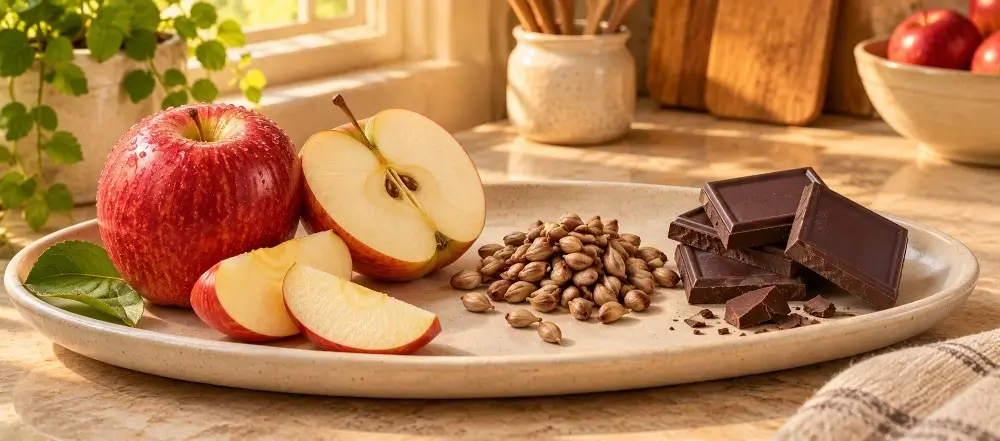
You already eat procyanidins. A study in the Journal of Nutrition found that chocolate and apples gave the most procyanidins per serving of the foods tested, at about 165 mg and 147 mg. Apple content varied widely, from 12 to 252 mg per serving, depending on the variety.
Common Dietary Sources
- Apples, especially the skin. The Southern Italian Annurca apple has one of the highest procyanidin B2 contents studied.
- Grape seeds and grape skins, the usual source of grape seed extract.
- Cocoa and dark chocolate.
- Smaller sources such as cinnamon, hawthorn, red wine and cranberries.
One important point: the hair studies did not use apples or apple juice. They used procyanidin B2 purified to over 94% from apple juice, dissolved in a scalp tonic. Eating more apples is healthy, but it is not the same as the treatment that was tested.
How Procyanidin B2 Targets the Root Causes of Hair Loss
Procyanidin B2 does not block DHT the way finasteride does. Lab research points to a different route: it acts on the signals that tell a follicle when to grow and when to stop.
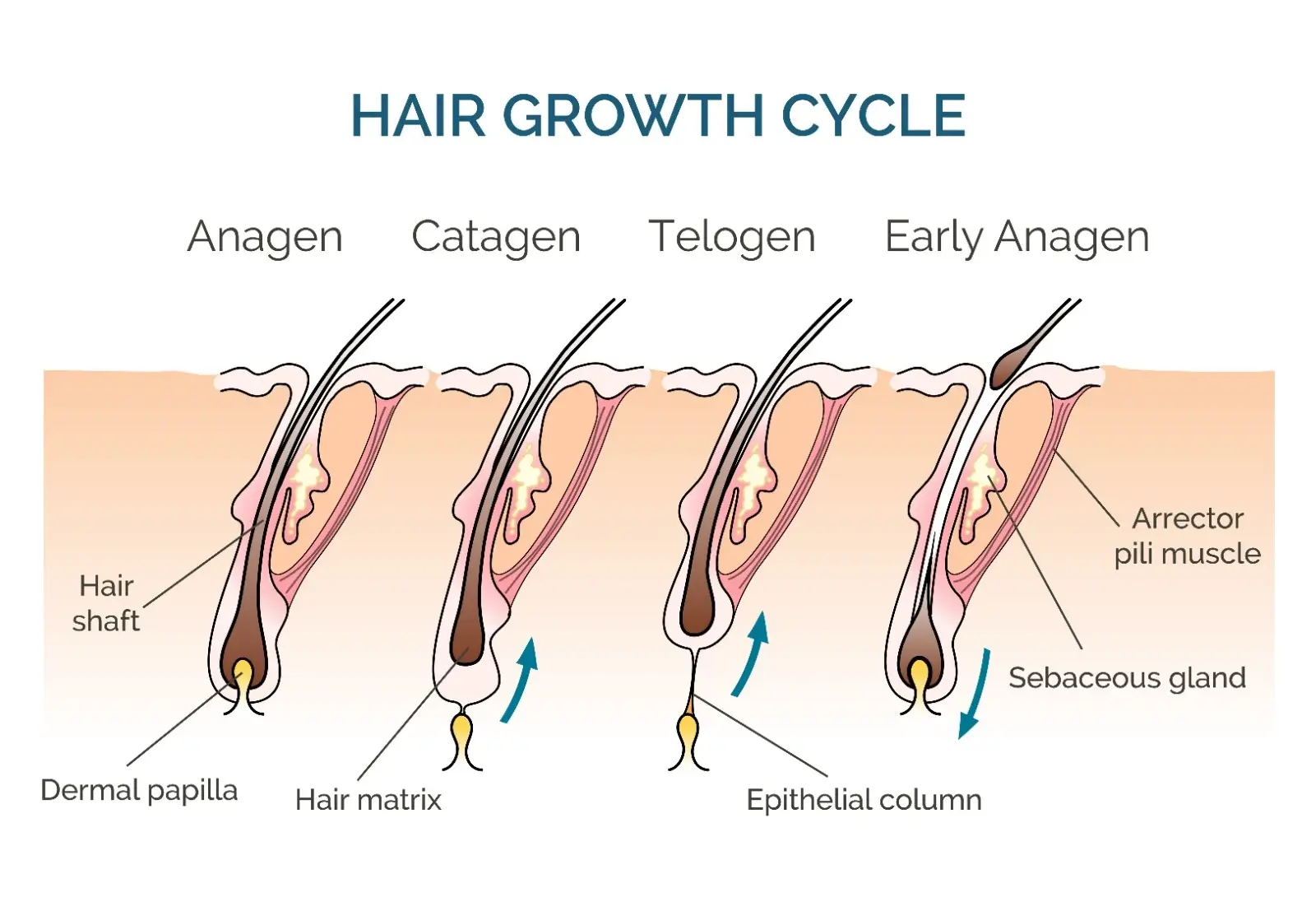
Every hair follicle cycles through growth (anagen), regression (catagen) and rest (telogen). In pattern hair loss, the growth phase gets shorter with each cycle, so hairs grow thinner and shorter. Three mechanisms have been described in published lab work.
1. Stimulating Hair Cell Growth
In a 1999 study in the Journal of Investigative Dermatology, procyanidin B2 raised the growth of mouse hair epithelial cells to about 300% of controls over five days. The same research group reported that procyanidins induced the growth phase in mice at almost the same intensity as minoxidil.
2. Calming Protein Kinase C (PKC)
Protein kinase C is a signalling enzyme involved in the hair cycle. Procyanidin B2 selectively inhibits PKC, and the researchers linked this action to its hair-growing effect. A later laboratory study pointed specifically to the PKC-βI and βII isozymes.
3. Blocking the “Stop Growing” Signal (TGF-β)
TGF-β1 is produced by the dermal papilla cells in response to androgens and helps push follicles into catagen. In cell cultures, adding TGF-β1 or TGF-β2 slowed hair cell growth and triggered cell death. Adding procyanidin B2 neutralised both effects.
These findings come from cell cultures and mice. They explain why procyanidin B2 is plausible as a hair active, but they do not prove the same mechanisms work in the human scalp.

Can Procyanidin B2 Improve Blood Circulation to the Scalp?
This is a common claim, so it deserves a straight answer: no study has measured scalp blood flow after applying procyanidin B2.
What exists is vascular research outside the scalp. In isolated human blood vessels, including the internal mammary artery and saphenous vein, procyanidin B2 relaxed the vessel wall. The effect depended on the inner lining (endothelium) and came mainly from increased nitric oxide production. A 2022 mouse study also found it improved blood vessel relaxation that had been impaired by nicotine.
Good blood supply matters for active follicles, and this vascular data is encouraging. But a relaxed artery in a lab dish is not the same as better circulation in a thinning crown. If circulation is your main goal, scalp massage and products that target microcirculation directly are more practical choices.
Preventing Follicle Ageing and Miniaturisation
Miniaturisation is the hallmark of pattern hair loss. Follicles do not die overnight; they shrink cycle by cycle until they produce only fine, short, almost invisible hairs.
Procyanidin B2 may slow this process in two ways, based on current research:
- Protecting the growth phase. By counteracting TGF-β, it may help follicles stay in anagen longer instead of being pushed early into catagen.
- Antioxidant protection. Procyanidin B2 scavenges free radicals and blocked LDL oxidation in lab tests. Oxidative stress is one of the factors linked to follicle ageing.
The clinical trials support this indirectly. In the first human study, the share of hairs thicker than 40 µm increased significantly compared with placebo. Thicker hairs suggest follicles moving away from miniaturisation.
No trial has followed procyanidin B2 users long enough to show that it prevents follicle ageing over years. Treat it as a supportive active, not a guarantee.
How to Get Procyanidin B2: Diet vs Topical Use
There are two ways procyanidin B2 reaches the hair follicle: through food or supplements, and directly on the scalp. They are not equal, and it helps to know what each one can and cannot do.
Route | Examples | What the evidence shows |
Diet | Apples (with skin), dark chocolate, grape seeds, cranberries | Healthy source of procyanidins, but no trial has tested ordinary foods for hair growth |
Oral extract | Apple polyphenol or grape seed extract capsules | One 8-week trial of Annurca apple extract reported more hairs from baseline, without a parallel placebo group |
Topical tonic | Purified procyanidin B2 or apple procyanidin solution on the scalp | Three double-blind trials in men reported more and thicker hairs compared with placebo |
Practical Tips
- Eat the skin. Most of an apple’s procyanidins sit in and just under the peel.
- Choose darker chocolate. Cocoa content, not sugar, carries the procyanidins.
- Read extract labels carefully. Grape seed and apple extracts list total proanthocyanidins, but rarely state how much is procyanidin B2.
- Be patient with topicals. The trials applied the tonic twice a day for at least 4 months before measuring results.
Clinical Studies and Success Rates
Three topical trials and one oral trial form the human evidence. All the topical trials came from the same Japanese research group, all used men with male pattern hair loss, and all were small.
Study | Participants | Treatment | Duration | Main result |
Takahashi et al., Journal of Cosmetic Dermatology, 2005 | 43 men (21 active, 22 placebo) | 0.7% apple procyanidin oligomers, twice daily | 12 months (6 vs placebo) | Significantly greater increase in total hairs than placebo; no adverse effects |
Takahashi et al., Phytotherapy Research, 2001 | 29 men (19 active, 10 placebo) | 1% procyanidin B2 tonic, twice daily | 4 months | +3.67 hairs vs −2.54 per 0.25 cm² (p < 0.001); 78.9% had thicker hairs vs 30.0% on placebo |
Kamimura et al., Phytomedicine, 2000 | 29 men (19 active, 10 placebo) | 1% procyanidin B2 tonic | 6 months | +1.99 hairs vs −0.82 per 0.25 cm² (p < 0.02); more terminal hairs; no side effects |
Tenore et al., Journal of Medicinal Food, 2018 | 250 adults (116 men, 134 women) | Oral Annurca apple extract, 2 capsules daily | 8 weeks active | Hair count per cm² rose by about 118–125% from baseline; no concurrent placebo group |
What Can We Conclude?
The results point in the same direction: more hairs and thicker hairs (two different measures, explained in our guide to hair density vs hair thickness), with no recorded side effects. In the 4-month trial, nearly four in five men on procyanidin B2 had an increase in average hair diameter.
The limits matter too. The topical trials were small, men-only and run by the team that developed the compound. The oral trial had no parallel placebo group, so its large percentages are within-person changes. No head-to-head trial against minoxidil or finasteride has been published.
In short, procyanidin B2 is one of the better-studied botanical hair actives, but it is not a replacement for medical treatment of progressive hair loss.

Where MD Plus Bio Products Fit
MD Plus Bio products do not list purified procyanidin B2 as an active. They do contain ingredients that work alongside it, including Procapil and grape seed extract, a natural source of proanthocyanidins. Here is how each one fits.
Product | Relevant actives | How it fits with procyanidin B2 |
Procapil, Redensyl, Capixyl, AnaGain, biotin, saw palmetto, peptide complex | Leave-in daily serum. Covers anchoring and growth-phase pathways through Procapil, Redensyl and AnaGain | |
Capixyl, piroctone olamine, panthenol, grape seed and other botanical extracts | Daily scalp cleansing; grape seed extract is a proanthocyanidin-rich botanical | |
Procapil, Redensyl, Capixyl, AnaGain, S.DNA, plant stem cells | Weekly intensive scalp treatment with a dermaroller | |
Biotin, zinc, selenium, iron, amino acids, grape seed, green tea | Nutritional support from the inside; the Annurca trial also combined apple extract with biotin, zinc and selenium | |
Shampoo, serum, meso serum and multivitamin together | A complete 3-month routine combining scalp care and nutrition |
Procyanidin B2 vs a Multi-Active Routine
Procyanidin B2 targets one set of pathways well. Hair loss usually has several drivers at once: hormones, oxidative stress, a weak scalp barrier and nutrition. A multi-active routine is designed to cover more of those drivers at the same time.
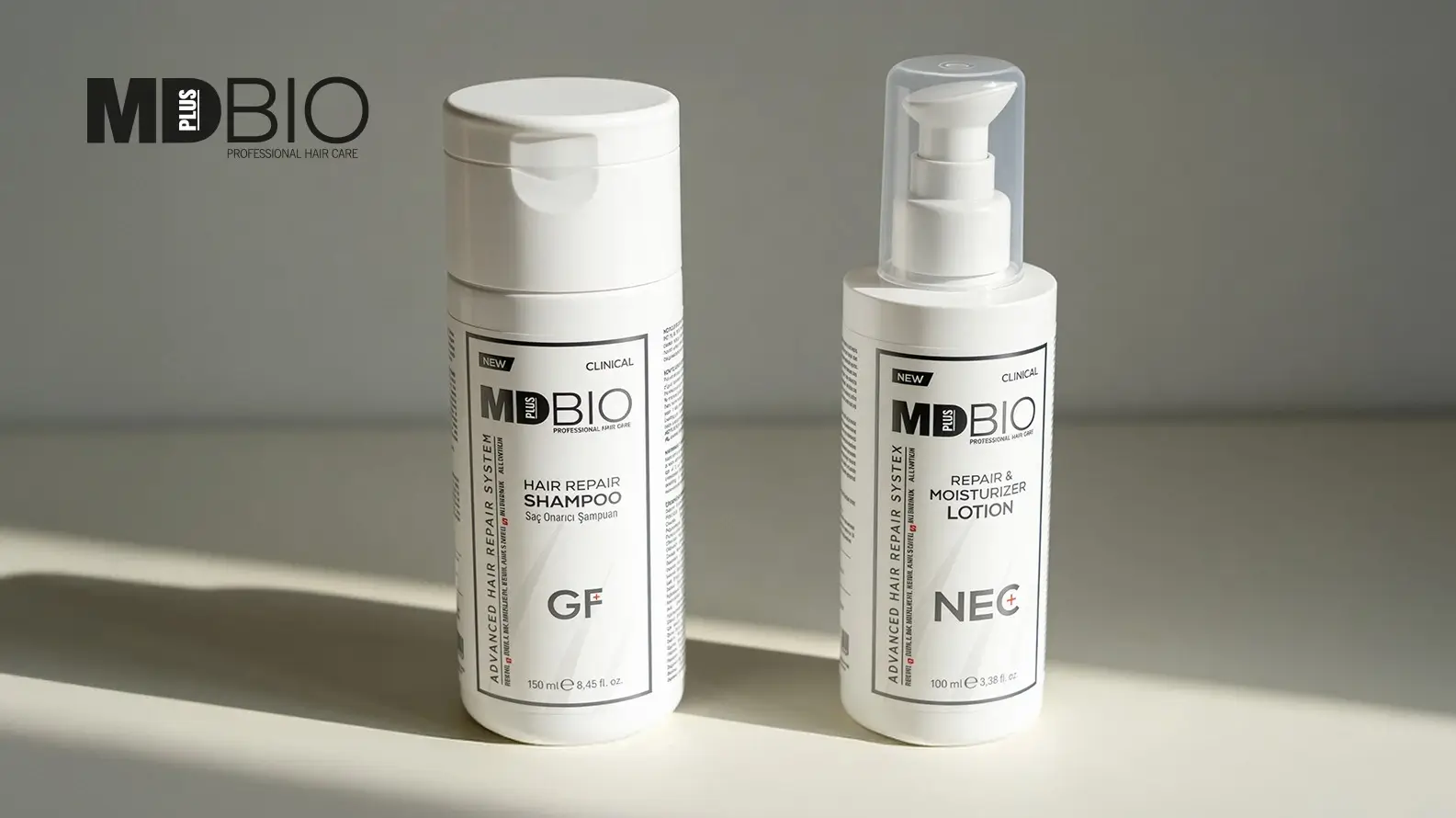
If you already eat procyanidin-rich foods such as apples and dark chocolate, the I Care My Hair Package adds topical and nutritional support around them. If your concern is mainly shedding with an oily or irritated scalp, start with the Hair Repair Shampoo and Hair Repair Serum.
After a hair transplant, use any product only once your scalp has healed and your doctor has approved it.

When Hair Loss Needs Assessment
The American Academy of Dermatology notes that people with hereditary hair loss get the best results when they start treatment early. See a dermatologist if you notice sudden or patchy loss, scalp pain or scarring, or thinning that continues after three to six months of a consistent routine.