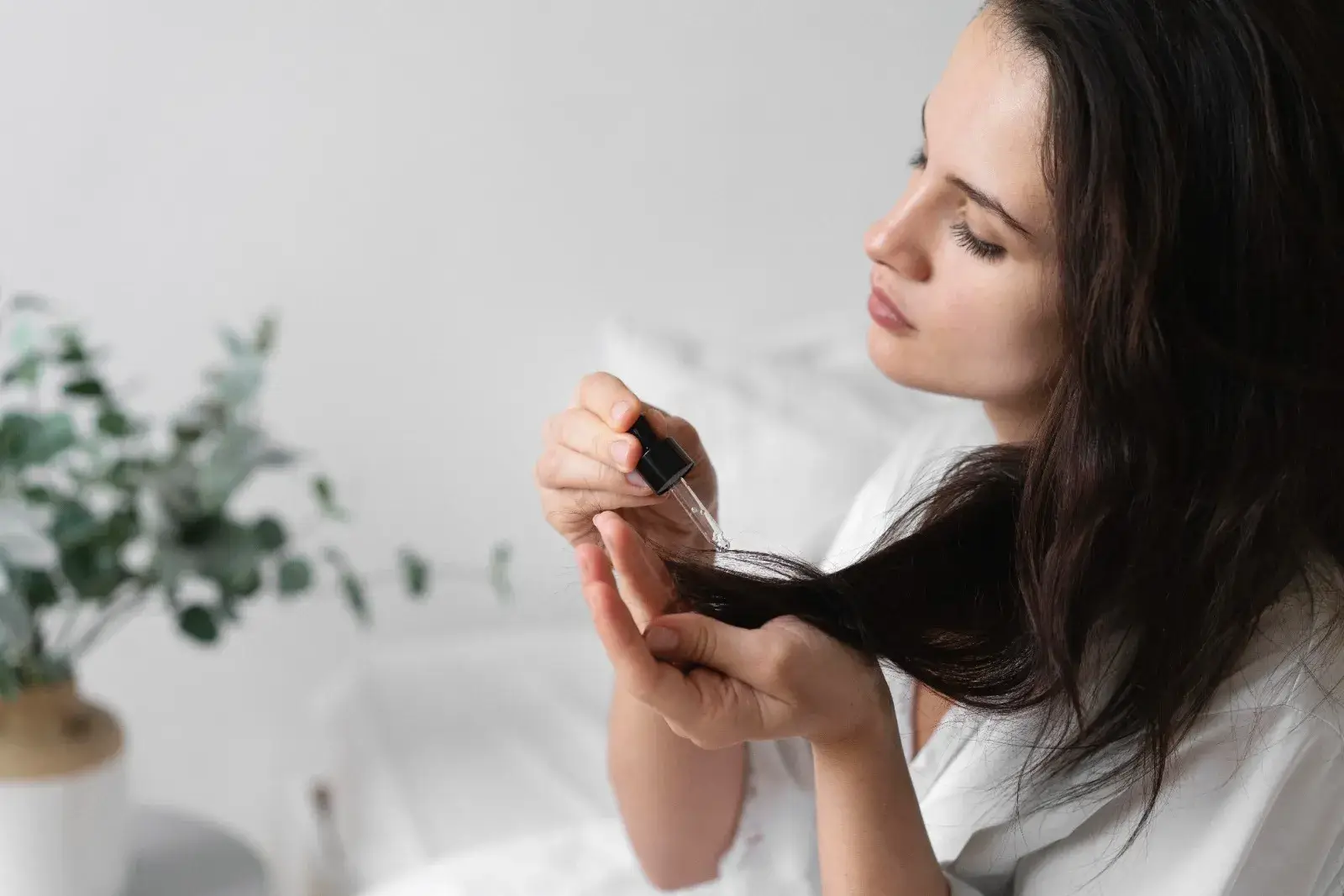



Hair that feels soft and manageable in summer can become surprisingly difficult to care for in winter. Flyaways appear after removing a hat, ends feel rough against a scarf, and the scalp may become itchy or uncomfortable.
These changes often reflect a combination of lower humidity, indoor heating and everyday styling habits. Effective winter hair care addresses each of these factors while respecting your hair type and scalp condition. The aim is to maintain comfortable skin, reduce friction and protect the hair you already have.
Understanding the difference between dryness, breakage and shedding is particularly useful. Although they can occur together, they do not have the same causes—or require the same care.
How Cold Weather Affects Hair
Cold weather hair damage is usually associated with the conditions and habits that accompany winter. Dry air, repeated rubbing against clothing and excessive styling heat can leave hair harder to manage.
Common concerns include:
- Dry, rough-feeling lengths and ends.
- Static hair and flyaways.
- More tangling around collars and scarves.
- Breakage during brushing or styling.
- Scalp dryness or a flare-up of an existing scalp condition.
Low humidity makes static electricity especially noticeable. Friction from a hat or brush creates electrical charges, which dissipate less readily in dry air. The strands then repel one another, producing that familiar winter flyaway effect.
Bleached, chemically treated or already weathered hair may need particular attention. Its surface can be more vulnerable to friction, making conditioning and gentle handling valuable parts of a cold weather hair care routine. Conditioning products improve lubrication and manageability by depositing ingredients onto the hair’s surface.

Indoor Heating and Hair Dryness
Moving indoors does not necessarily provide relief from dry winter conditions. Heating cold outdoor air lowers its relative humidity unless moisture is added, creating an environment that can contribute to dry skin and uncomfortable scalp tightness.
It is possible to have oily roots and dry ends at the same time. Scalp oiliness does not mean that the lengths need less conditioning, and dry ends do not automatically mean that the scalp needs oil.
Make small, targeted adjustments:
- Use lukewarm water when washing rather than very hot water.
- Keep direct heat from radiators and hairdryers away from the scalp.
- Apply conditioner where the hair feels rough or tangles easily.
- If indoor air is particularly dry, consider a humidifier and maintain it according to its cleaning instructions.
Hot water can aggravate scalp dryness, particularly in people with seborrheic dermatitis or sensitive skin. A gentler washing temperature is a practical starting point. aad.org
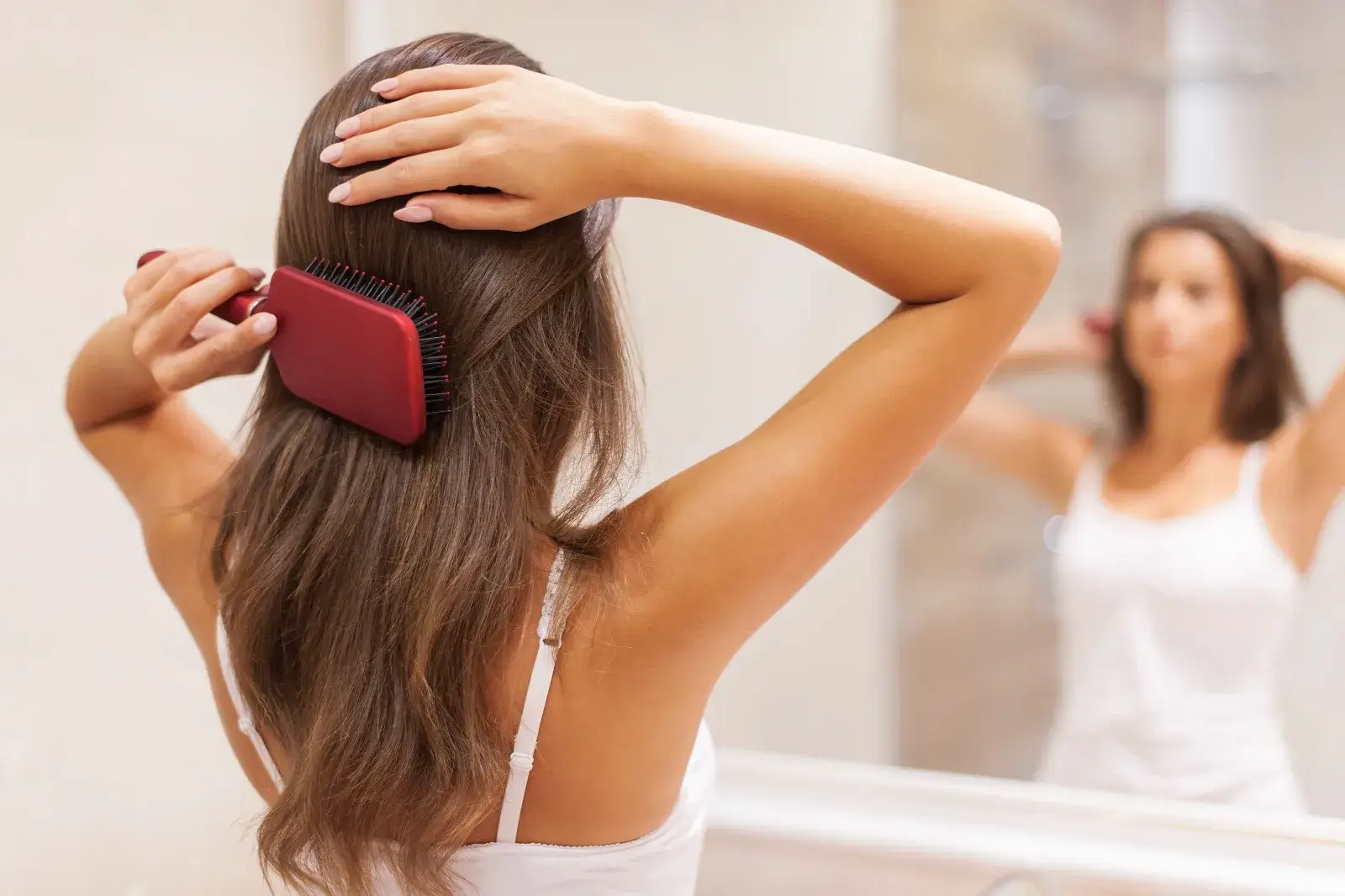
Winter Hair Loss: Is It Normal?
Finding more hair in a brush during winter can be worrying, but the season alone does not explain the cause.
Normal shedding continues throughout the year. According to the American Academy of Dermatology, losing approximately 50–100 hairs a day is common. The amount seen on wash day also depends on how often you wash and brush your hair.
Seasonal variation in the hair cycle has been documented. However, research does not establish winter as a universal peak for hair loss. A study involving 823 women found the highest proportion of resting-phase hairs in summer and the lowest in late winter. These findings do not support assuming that increased winter shedding is always normal or caused by cold temperatures.
Hair shedding or hair breakage?
Shedding releases a full-length hair from the follicle. Breakage occurs along the shaft, leaving shorter pieces and uneven lengths.
If you notice short fragments while detangling, friction or styling damage may be contributing. If you see increasing scalp visibility, a widening part or patches of missing hair, a cosmetic routine alone may not address the problem.
Persistent or sudden shedding deserves assessment, particularly when accompanied by scalp pain, redness or visible thinning. Hair loss can have several causes, and identifying the cause determines the appropriate treatment.
Essential Winter Hair Care Routine
A useful winter hair care routine should make hair easier to maintain without overloading the scalp or adding unnecessary steps.
- Wash according to your scalp’s needs
There is no universal winter washing schedule. Fine hair and an oily scalp may need frequent cleansing, while dry, thick or tightly curled hair may need washing less often.
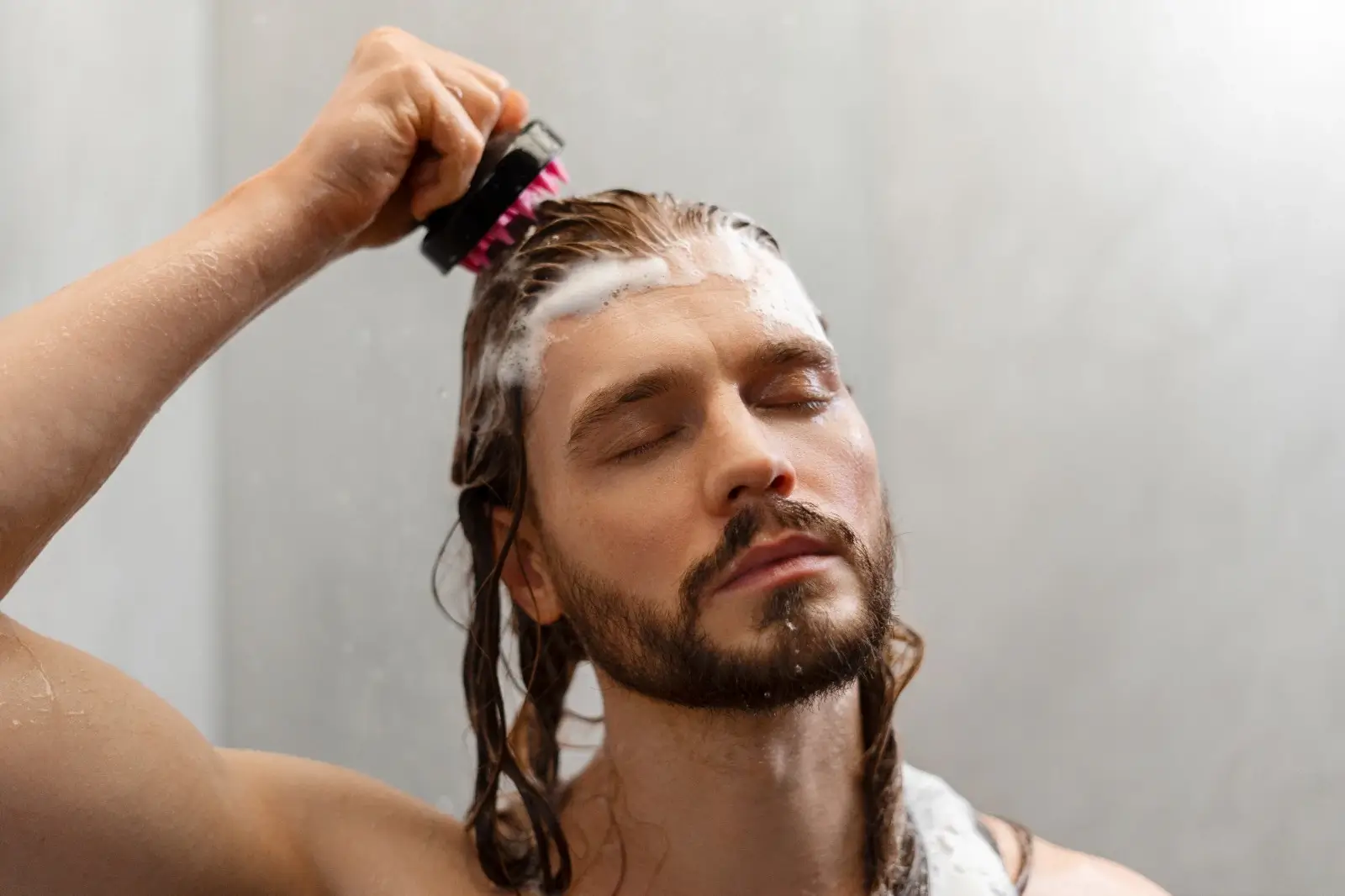
Concentrate shampoo on the scalp and massage gently with your fingertips. Avoid aggressively rubbing the lengths together. Adjust frequency when you notice excess oil, product buildup or discomfort rather than following a fixed “twice a week” rule.
- Condition after shampooing
A rinse-out conditioner helps reduce friction, tangling and breakage. Focus on the mid-lengths and ends if your roots become oily easily.
For fine hair, begin with a small amount of a lightweight conditioner. Coarse, curly or chemically treated hair may benefit from a richer texture. If lengths remain difficult to detangle, a leave-in conditioner can provide additional slip and help reduce frizz.
- Add a hair mask when needed
A conditioning mask can be useful when regular conditioner leaves hair feeling rough or difficult to comb. Start with the frequency recommended on the label and adjust according to the result.
More product is not always better. If hair becomes limp, coated or difficult to rinse, reduce the amount or use the treatment less often.
Masks can improve the feel and appearance of damaged hair, but the hair shaft cannot biologically heal itself. Split ends cannot be permanently reunited by a cosmetic product.
- Detangle with minimal pulling
Work in sections, starting at the ends and moving upward. Use a wide-tooth comb or a suitable detangling brush without forcing it through knots.
Curly and coily hair is often easier to detangle while damp and conditioned. Straight hair may benefit from drying slightly before combing. The appropriate technique depends on texture and condition.
- Dry gently and limit styling heat
Blot or wrap hair with a soft towel instead of rubbing vigorously. When blow-drying, use a low or moderate heat setting and keep the dryer moving.
Reserve straighteners and curling tools for less frequent use, and follow the instructions on a heat-protectant product. Heat protection helps reduce exposure-related damage; it does not make repeated high-temperature styling harmless.
- Address scalp symptoms separately
A dry scalp in winter and dandruff can both produce itching and flakes, but they are not interchangeable diagnoses.
Persistent flaking may require an anti-dandruff shampoo rather than additional oil or a richer hair mask. Follow the product’s application and contact-time instructions. If symptoms continue, seek dermatological advice instead of repeatedly changing products or scrubbing the scalp.
Protective Styling Tips for Winter
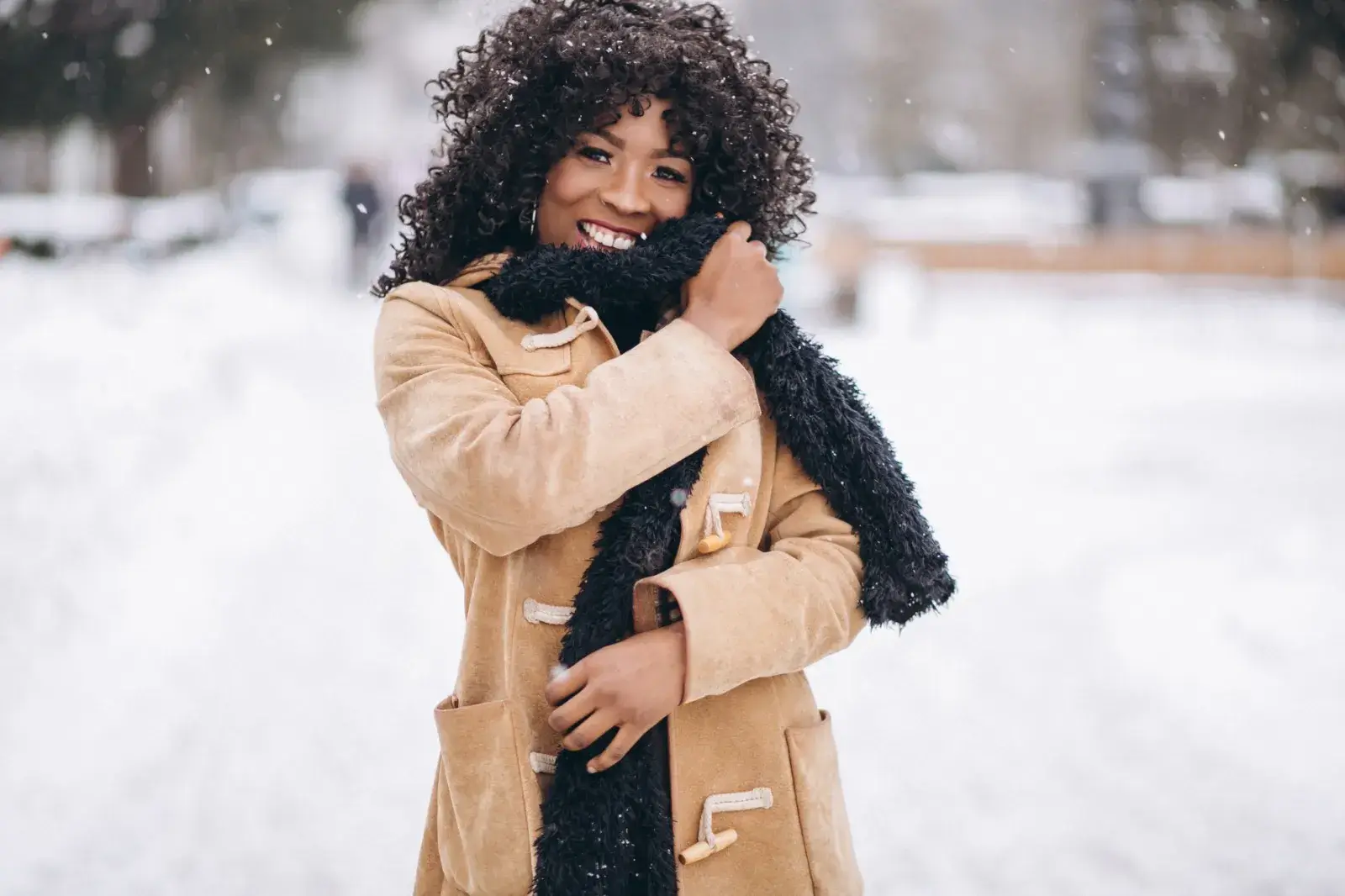
Protective styling should reduce handling and friction while keeping tension low.
Loose braids, relaxed twists and comfortable low buns can help keep long hair from repeatedly catching against winter clothing. A smooth hat lining may also reduce rubbing, provided the hat fits comfortably.
Useful habits include:
- Choose soft hair ties and avoid pulling them tightly.
- Keep styles comfortable around the temples and hairline.
- Allow room under hats for braids, curls or buns.
- Change any style that causes pain, stinging or scalp tenderness.
- Avoid repeatedly securing hair tightly in the same place.
A hairstyle is not protective simply because it stays in place for several days. Tight braids, extensions and tightly pulled buns can cause traction alopecia. Continued tension can eventually lead to permanent hair loss.
For curly and coily hair, prioritize styles that preserve access to the scalp for cleansing and allow conditioning without excessive manipulation. Styling choices should support scalp care rather than postpone it.
Best Products for Winter Hair
The best products for winter hair depend on whether your main concern is dryness, static, breakage or scalp discomfort. Choose by function and formulation rather than seasonal packaging.
Product | What to look for | How to choose |
Gentle shampoo | Effective cleansing without persistent tightness or irritation | Match it to scalp oiliness, sensitivity and washing frequency |
Rinse-out conditioner | Slip, softness and easier detangling | Choose a lighter texture for fine hair and a richer one for coarse or dry lengths |
Leave-in conditioner | Extra manageability and flyaway control | Start with a small amount on the lengths |
Conditioning mask | More intensive conditioning for rough or processed hair | Use as needed according to the label |
Smoothing serum | Lubrication and improved surface smoothness | Apply sparingly, especially to fine hair |
Heat protectant | A formula intended for your styling method | Follow directions and combine with lower heat |
Anti-dandruff shampoo | A recognized dandruff-treatment ingredient | Use for appropriate scalp symptoms, following label or clinician instructions |
Conditioning ingredients such as behentrimonium chloride, fatty alcohols and silicones can help improve softness and reduce friction. Cetyl and stearyl alcohol are fatty alcohols used in conditioning formulas; their function differs from that of ethanol. The overall formula matters more than judging a product by one ingredient.
Silicones such as dimethicone can be useful for smoothing and lubrication, particularly on damaged lengths. Whether a product feels too heavy depends on its formulation, the amount applied and your hair type.
Similarly, a sulfate-free label does not by itself establish that a shampoo is suitable for every sensitive or dry scalp. Evaluate how effectively it cleanses and how your scalp feels afterward.
For readers exploring MD Plus Bio, use the product descriptions and application instructions to select care suited to your needs. A cosmetic shampoo or serum should not be presented as a substitute for diagnosing unexplained hair loss.
Winter vs. Summer Hair Care: What Should Change?
The basics remain consistent throughout the year: cleanse appropriately, condition regularly and limit avoidable damage. Seasonal adjustments depend on climate, activity and hair condition.
Care area | Winter approach | Summer approach |
Main exposures | Low humidity, indoor heating and friction from clothing | Sun exposure, swimming, sweat and frequent outdoor activity |
Cleansing | Maintain scalp cleanliness without unnecessary extra washing | Adjust to sweat, oil and swimming |
Conditioning | Add richness or a leave-in if lengths become rough or static-prone | Maintain conditioning, particularly after swimming |
Scalp care | Monitor tightness, itching and persistent flakes | Monitor sweat-related discomfort and protect exposed scalp from sun |
Styling | Keep hair clear of rough collars and avoid tight styles under hats | Choose comfortable styles for activity without excessive tension |
Swimming care | Relevant for indoor pools as well | Rinse and wash after swimming; consider a swim cap |
Product texture | Richer formulas may suit dry lengths | Lighter textures may feel more comfortable with frequent washing |
Sun protection | Still relevant when outdoors, including winter sports | Prioritize shade, suitable hats and protection for exposed scalp |
Swimming-related care is relevant in every season. Dermatologists recommend precautions such as a swim cap and rinsing and cleansing after swimming to limit damage from pool exposure.