



Hair health is influenced by genetics, hormones, age, medical conditions, hair-care practices and nutrition. Food cannot change the number of follicles you were born with or reverse every form of alopecia. However, a balanced diet provides the amino acids, vitamins, minerals and essential fats needed for normal follicle activity and the production of strong hair fibres.
This matters because hair follicle matrix cells divide rapidly. When the body receives too little protein, iron or energy, it may prioritise essential organs over hair production. The result can be increased shedding, reduced growth or more fragile strands. The American Academy of Dermatology (AAD) notes that inadequate iron, protein, biotin or zinc can cause noticeable hair loss, while very low calorie intake can also trigger significant shedding.
The most useful approach is therefore not to search for one “miracle” food. It is to build a varied, sustainable diet that covers nutritional needs and to investigate possible deficiencies when hair loss is persistent or sudden.
Essential nutrients for hair growth
Hair is composed mainly of keratin, a structural protein. Yet protein alone is not enough. Follicles depend on several micronutrients to support cellular turnover, oxygen delivery, keratin formation and normal immune function. Research links some nutrient deficiencies with non-scarring hair loss, although evidence for supplementation in people without a deficiency remains inconsistent.
|
Nutrient |
Role in hair health |
Useful food sources |
|
Protein |
Supplies amino acids for keratin and tissue renewal |
Fish, poultry, lean meat, eggs, yoghurt, tofu, tempeh, beans, lentils |
|
Iron |
Supports haemoglobin and oxygen delivery to rapidly active follicle cells |
Lean red meat, shellfish, lentils, beans, spinach, fortified cereals |
|
Zinc |
Contributes to protein synthesis, DNA synthesis and tissue repair |
Oysters, meat, fish, dairy, pumpkin seeds, beans, whole grains |
|
Vitamin D |
Participates in follicle biology and the normal hair cycle |
Oily fish, egg yolk, fortified milk or plant drinks, UV-exposed mushrooms |
|
Vitamin C |
Supports collagen formation and improves absorption of plant-based iron |
Citrus fruit, berries, kiwi, peppers, tomatoes, broccoli |
|
Omega-3 fats |
Form part of cell membranes and support a balanced inflammatory response |
Salmon, sardines, trout, walnuts, chia seeds, flaxseeds |
|
B vitamins |
Support energy metabolism and cell function; biotin deficiency can affect hair, but is uncommon |
Eggs, legumes, whole grains, meat, fish, nuts and seeds |
Vitamin D and iron are among the most frequently studied nutrients in relation to hair loss. A recent systematic review found associations between higher vitamin D and iron status and lower rates of alopecia, but emphasised the need for stronger studies. This does not prove that supplements improve hair in everyone.
The same caution applies to biotin. Biotin has an important metabolic role, but deficiency is rare in people eating a varied diet. High-dose “hair vitamins” should not automatically be used for shedding. Biotin supplements can also interfere with certain laboratory tests. Blood testing and professional guidance are more appropriate than guessing.
Protein requirements for hair health
Because hair fibres are rich in keratin, insufficient protein can affect growth and strength. Healthy adults generally need approximately 0.8 to 0.83 grams of protein per kilogram of body weight each day, according to commonly used European reference values. A 70 kg adult would therefore need about 58 g daily as a general baseline.
Needs can be higher during pregnancy, recovery from illness or surgery, intense training, older age, or when a clinician identifies undernutrition. Individual requirements also depend on body size, activity and health status, so people with kidney disease or another condition affecting protein intake should seek personalised advice.
Spread protein across the day rather than relying on one large evening serving. Breakfast might include eggs or yoghurt; lunch could contain tuna, chicken, tofu or lentils; and dinner could include fish, lean meat, beans or tempeh. Well-planned vegetarian and vegan diets can meet protein needs through varied sources such as pulses, soya foods, whole grains, nuts and seeds. Vegan diets also require a reliable source of vitamin B12.
Anti-inflammatory foods and hair health
Inflammation is involved in some scalp and hair disorders, but no single “anti-inflammatory diet” has been proven to cure alopecia. A Mediterranean-style eating pattern is nevertheless a sensible framework for general health. It prioritises vegetables, fruit, legumes, whole grains, nuts, seeds, olive oil and fish while limiting heavily processed foods.
Useful choices include oily fish, colourful vegetables and berries, olive oil, walnuts and pulses. These foods provide a broad mix of nutrients rather than acting as direct hair-growth treatments.
If scalp redness, scaling, pain or itching accompanies hair loss, food alone is not an adequate treatment. Conditions such as psoriasis, seborrhoeic dermatitis, fungal infection or inflammatory scarring alopecia require an accurate medical diagnosis.
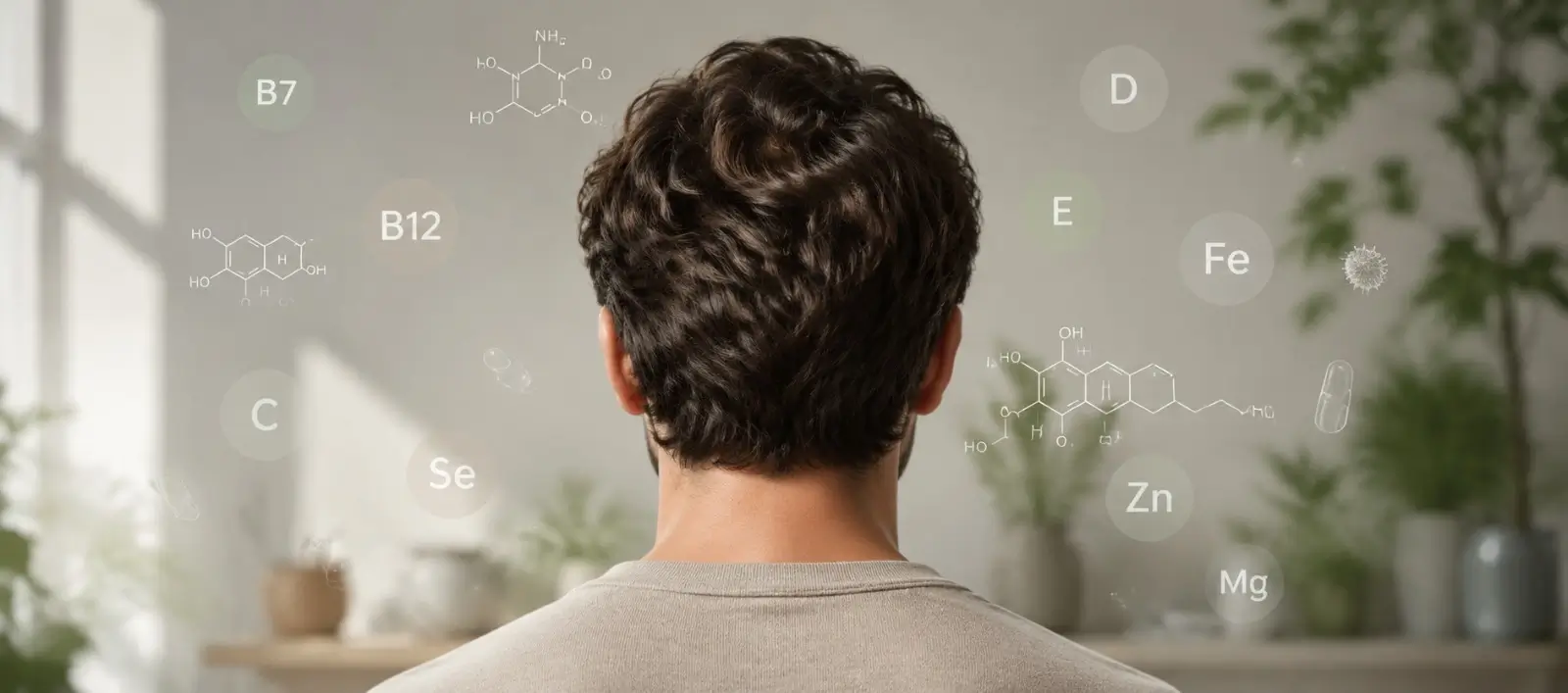
Iron-rich foods for hair growth
Iron deficiency can cause diffuse shedding, and iron-deficiency anaemia may include hair loss among its symptoms. Risk is higher with heavy menstrual bleeding, pregnancy, restricted diets, gastrointestinal disorders, recent blood loss or bariatric surgery.
Heme iron from meat, poultry and seafood is generally absorbed more readily than non-heme iron from plants. Plant-based sources remain valuable and include lentils, chickpeas, kidney beans, tofu, spinach, pumpkin seeds and iron-fortified cereals or breads. Pairing these foods with vitamin C improves non-heme iron absorption. For example, add peppers to a lentil salad, berries to fortified cereal or tomatoes to a bean dish.
Do not start a high-dose iron supplement solely because your hair is shedding. Excess iron can be harmful, and hair loss has many possible causes. A clinician may consider a full blood count and ferritin alongside symptoms and medical history. The appropriate ferritin threshold and treatment plan should be interpreted clinically rather than through a home test alone.
Best foods for stronger, thicker-looking hair
No food instantly makes a follicle produce a thicker strand. The best foods for hair growth are nutrient-dense choices that help prevent dietary gaps:
- Eggs and yoghurt provide protein and micronutrients.
- Salmon, sardines and trout supply protein, omega-3 fats and vitamin D.
- Lean meat and shellfish provide highly absorbable iron and zinc.
- Lentils, beans and chickpeas offer plant protein, iron and fibre.
- Pumpkin seeds and nuts add zinc, vitamin E and healthy fats.
- Dark greens supply folate and non-heme iron; peppers, citrus fruit, kiwi and berries supply vitamin C.
- Whole grains provide energy, fibre and B vitamins.
Variety matters more than eating large amounts of any one item. It also makes the diet easier to sustain, which is important because hair growth is slow and changes in shedding may take months to become visible.
Foods and eating patterns to limit
“Foods to avoid for hair health” can be a misleading phrase because most foods can fit within a balanced diet. The greater risks come from repeated patterns that displace nutrient-rich foods or create nutritional stress.
Limit crash diets, prolonged fasting without professional supervision and very low calorie plans. Rapid weight loss, illness and significant physiological stress can shift more follicles into the resting phase, potentially causing telogen effluvium several months later. Diets that eliminate entire food groups without suitable alternatives can also reduce protein, iron, zinc, B12 or essential fat intake.
Keep sugary drinks, highly processed snacks and excessive alcohol occasional. A 2025 systematic review reported an association between sugary or alcoholic drinks and hair loss, although observational evidence cannot establish cause and effect.
Finally, more is not always better. Excessive vitamin A, selenium and vitamin E from supplements has been associated with hair loss, and excess zinc can impair copper absorption. Use supplements to correct a demonstrated need, not as a substitute for a varied diet.
One-day sample hair-healthy meal plan
This example can be adjusted for appetite, allergies, dietary preferences and energy needs.
|
Meal |
Example |
Nutritional focus |
|
Breakfast |
Greek-style yoghurt or fortified soya yoghurt with oats, berries, chia seeds and pumpkin seeds |
Protein, vitamin C, zinc, omega-3 fats |
|
Lunch |
Lentil and quinoa bowl with spinach, roasted peppers, tomatoes and olive-oil dressing |
Plant protein, iron, vitamin C, fibre |
|
Snack |
Apple with peanut butter, or hummus with vegetables |
Protein, healthy fats, zinc |
|
Dinner |
Baked salmon or marinated tofu, sweet potato and broccoli |
Protein, vitamin D or plant protein, vitamin C |
|
Optional drink |
Water, milk or an unsweetened fortified plant drink |
Hydration, protein and selected fortified nutrients |
Ask a registered dietitian or clinician to adapt the plan if you have digestive disease, food allergies, pregnancy, a history of disordered eating or a medically prescribed diet.
How MD Plus hair care can complement a nutritious diet
Nutrition works from within, while topical hair care acts mainly on the scalp and existing hair fibre. MD Plus Hair Repair Shampoo is the most relevant product currently listed in the shop for this topic. Its published formula includes biotin, panthenol, aloe vera, hydrolysed keratin and collagen, amino-acid support, beta-glucan and Capixyl. These ingredients are described as supporting gentle cleansing, scalp comfort and the appearance and resilience of weakened hair.
The shampoo may be useful for men and women with fragile, thinning-looking hair, seasonal shedding or a sensitive scalp, and it is listed as suitable for daily use. After a hair transplant, it should only be introduced according to the treating clinician’s instructions. Importantly, topical biotin or keratin does not correct low blood levels of iron, vitamin D or protein, and shampoo cannot treat the medical cause of hair loss. It should be viewed as complementary care alongside appropriate nutrition and diagnosis.
When to seek professional advice
Arrange an assessment if hair loss is sudden, patchy, painful, accompanied by scalp inflammation or continues for several months. Also seek advice for fatigue, breathlessness, heavy menstrual bleeding or unexplained weight change.
A dermatologist or primary care professional can distinguish nutritional shedding from androgenetic alopecia, alopecia areata, traction alopecia, scarring alopecia and other conditions. Depending on the history, testing may include a full blood count, ferritin, thyroid markers or selected vitamin levels. A registered dietitian can help when food restriction, low appetite, vegan nutrition or digestive disease makes adequate intake difficult.