


Post hair transplant care plays a major role in healing, graft survival, and long-term hair growth. The first 2 weeks are focused on protecting the grafts, while the following months support scalp recovery, temporary shedding, and new growth.
A clear recovery routine can help patients understand what is normal, when to use supportive products, and which mistakes to avoid. This 12-month hair transplant recovery guide explains each phase step by step, including how shampoo, lotion, serum, and meso serum may fit into the process once the scalp is ready.
Important: Always follow your surgeon’s instructions first. Product use should begin only when your clinic confirms that the transplanted area has healed enough.
Hair Transplant Recovery Timeline
|
Phase |
Timeline |
What Happens |
Main Goal |
Product Focus |
|
Critical healing |
Days 1–14 |
Redness, swelling, scabs |
Protect grafts |
Clinic-approved washing only |
|
Early support |
Month 1–2 |
Scabs clear, shedding may begin |
Support scalp comfort |
Shampoo, lotion, serum if approved |
|
Shedding phase |
Month 3–4 |
Shock loss, early fine growth |
Stay consistent |
Shampoo, serum, nutrition |
|
Growth phase |
Month 5–6 |
New growth becomes visible |
Optimize scalp and hair quality |
Serum, lotion, meso serum if approved |
|
Density maturation |
Month 7–12 |
Hair becomes thicker, stronger, and more natural-looking |
Improve density and maintain results |
Full routine, serum, lotion, meso serum if approved |
|
Long-term care |
Month 12+ |
Final results continue to stabilize |
Maintain scalp and hair health |
Ongoing maintenance routine |
Critical First 2 Weeks After Transplant
The first 14 days are the most delicate period of post transplant care. During this stage, the grafts are still settling and the scalp is healing.
Days 1–3: Protect the Grafts
Avoid touching, scratching, rubbing, or washing the transplanted area unless your clinic instructs you to do so. Sleep with your head elevated, avoid bending forward for long periods, and do not wear tight hats or anything that may create pressure on the grafts.
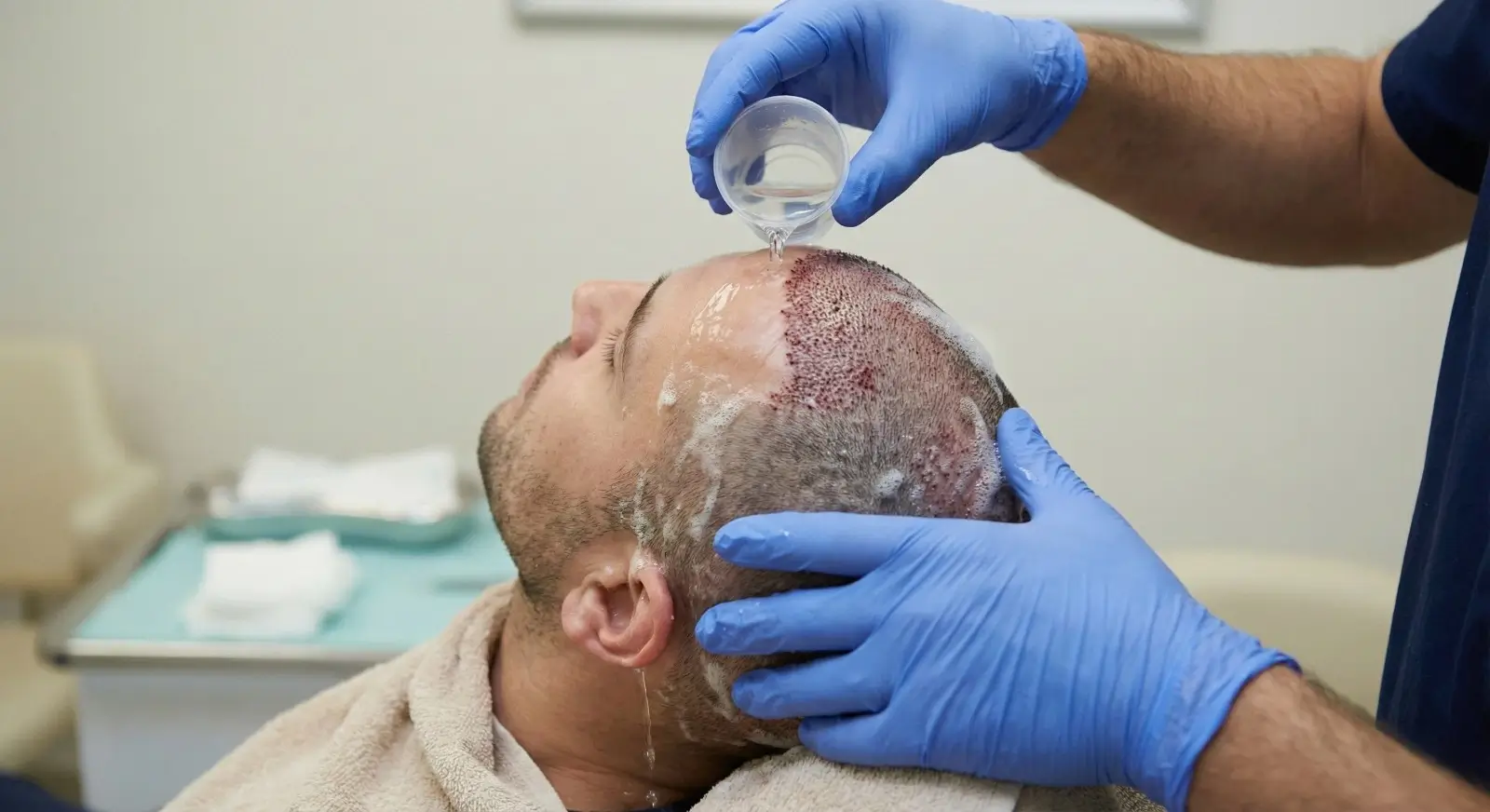
Days 3–7: Start Gentle Washing If Approved
When your clinic allows washing, use lukewarm water and a very gentle technique. Do not rub the scalp or use strong water pressure.
A safe washing routine usually includes:
- Applying the recommended lotion or foam if provided.
- Letting it soften the scabs.
- Rinsing gently with lukewarm water.
- Applying shampoo carefully without rubbing.
- Rinsing again.
- Patting dry or air-drying.
Days 7–14: Let Scabs Fall Naturally
Scabs usually begin to loosen during the second week. Do not pick them. Mild redness, tightness, and itching can be normal, but scratching should be avoided.
Month 1–2: Supporting Graft Survival
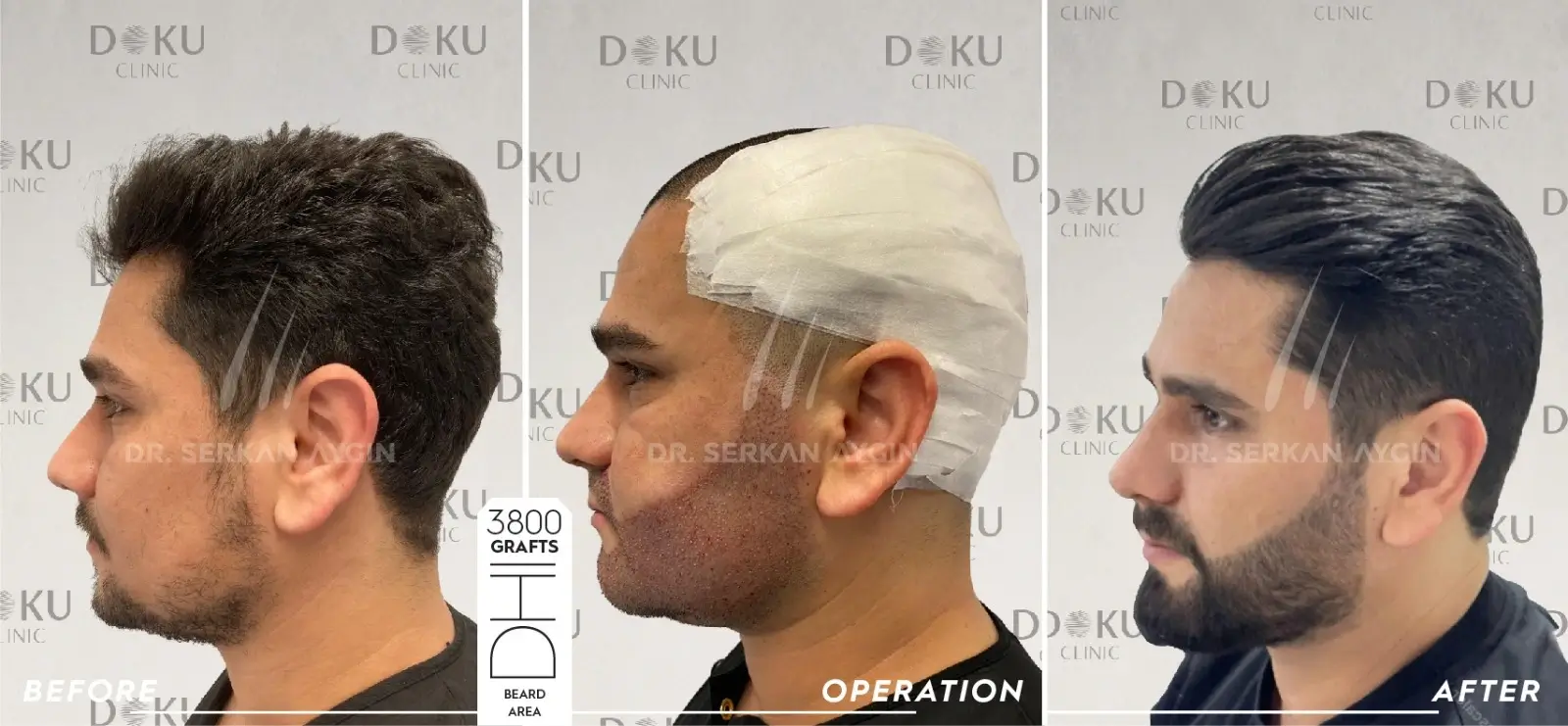
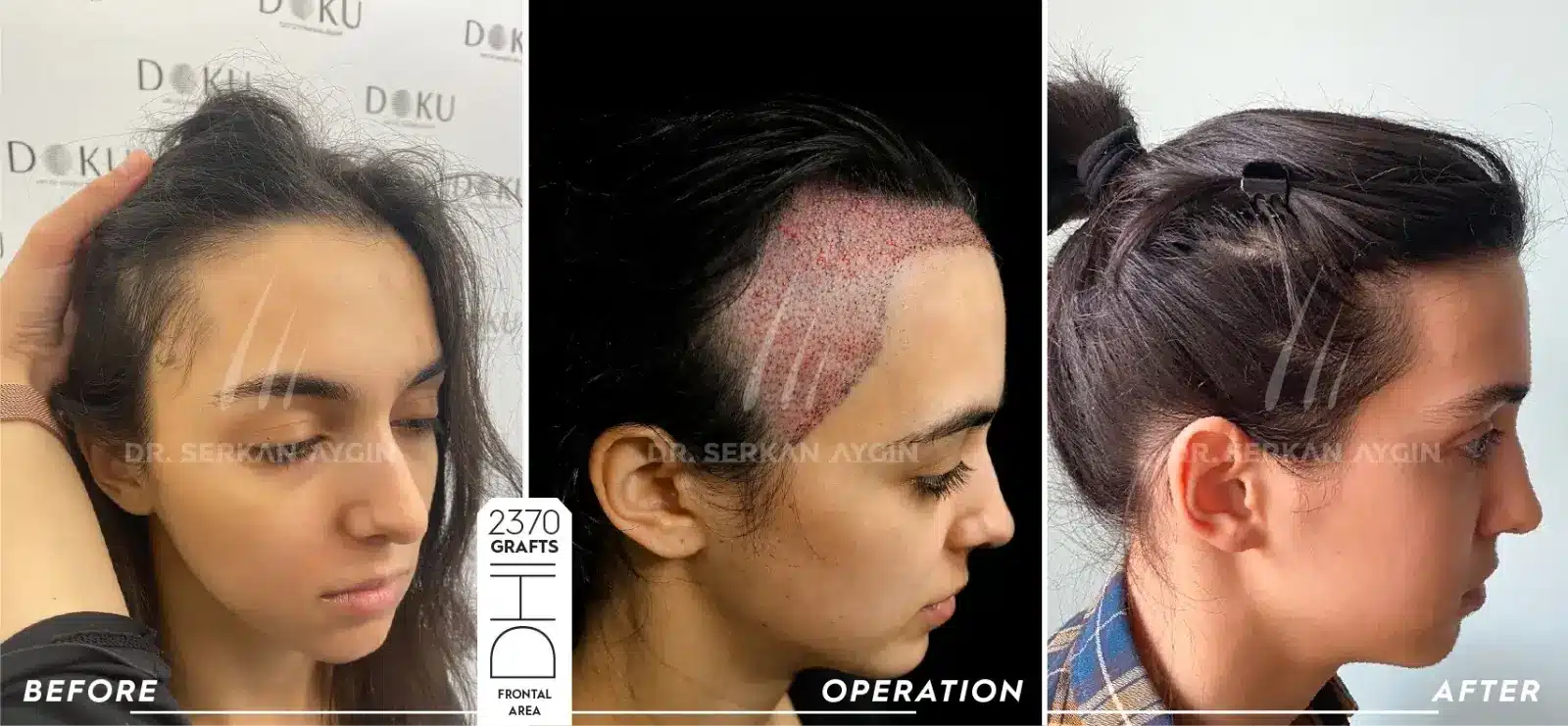
After the first 2 weeks, the scalp is usually more stable, but the follicles are still adjusting. Some transplanted hairs may begin to shed. This is often part of the normal hair transplant timeline and does not usually mean the grafts have failed.
The goal during month 1 and 2 is to keep the scalp clean, calm, and supported.
Product Routine for Month 1–2
|
Product |
When to Use |
How It Helps |
|
Once washing is approved |
Cleanses the scalp gently |
|
|
After the scalp is healed enough |
Supports scalp comfort and dryness |
|
|
Only after doctor approval |
Supports daily hair care routine |
|
|
As directed |
Supports nutritional intake |
How to Use MD Plus Bio Hair Repair Shampoo
Use the shampoo only after your clinic approves regular washing. Apply to wet hair and scalp, massage gently with fingertips, and rinse with lukewarm water. Avoid nails, harsh rubbing, and hot water.
How to Use Hair Repair Serum
Once your doctor approves serum use, apply it to a dry scalp. MD Plus Bio Hair Repair Serum is generally used twice daily, morning and evening, without rinsing. For post-transplant patients, it should not be applied to open wounds, irritated skin, or unhealed graft areas.
Month 3–4: Managing the Shedding Phase
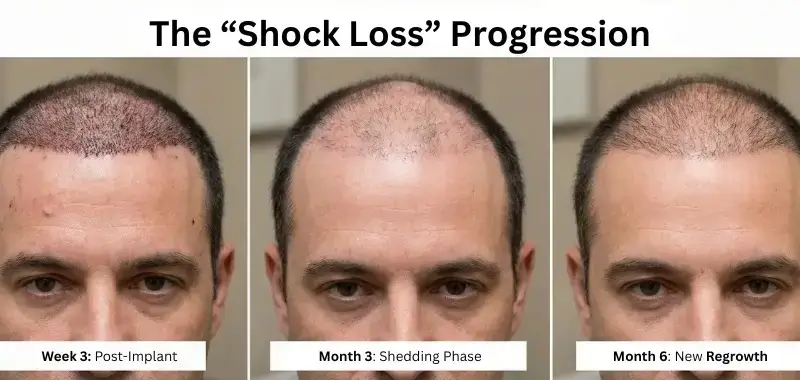
Month 3 and 4 can be confusing because the hair may still look thin before visible improvement begins. This phase is often linked to shock loss, which is temporary shedding after a hair transplant.
The follicle usually remains under the skin even if the hair shaft sheds. New hair can then begin growing gradually.
What to Focus on During Month 3–4
Keep the routine simple and consistent. Avoid changing products too often or starting aggressive treatments without medical approval.
Focus on:
- Gentle cleansing
- Scalp hydration
- Consistent serum use if approved
- Balanced nutrition
- Sun protection
- Avoiding smoking and excessive alcohol
- Avoiding scalp trauma
Month 5–6: New Growth Optimization
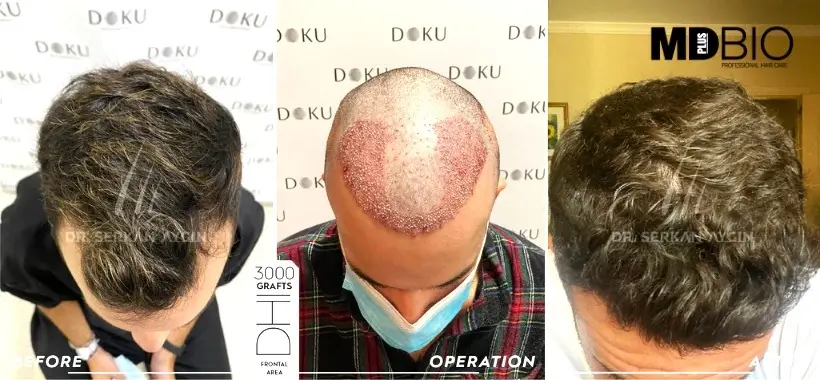
By month 5 and 6, many patients begin to notice more visible new growth. The new hairs may still be thin, soft, or uneven, but this is normal. Hair thickness and density usually continue improving after this period.
At this stage, the goal is to support the quality of the new hair and maintain a healthy scalp environment.
Growth Phase Routine
|
Step |
Morning |
Evening |
|
1 |
Wash with Hair Repair Shampoo if needed |
Keep scalp clean |
|
2 |
Apply Hair Repair Serum on dry scalp |
Apply Hair Repair Serum on dry scalp |
|
3 |
Use Hair Repair Lotion if needed |
Use lotion if approved |
|
4 |
Protect scalp from sun |
Avoid sleeping with wet hair |
Month 7–12: Density Maturation and Long-Term Maintenance
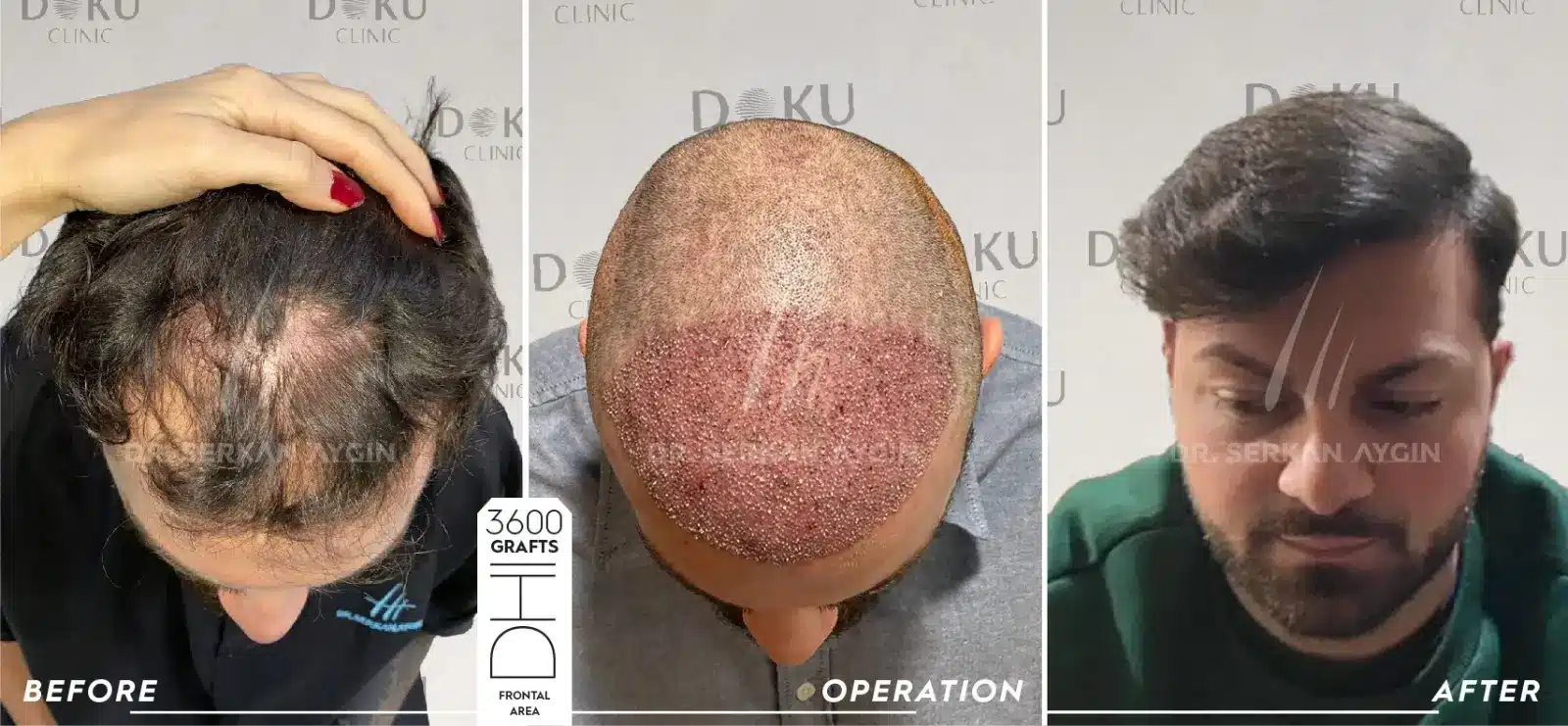
From month 7 to month 12, the transplanted hair usually becomes more noticeable in density, length, and texture. New hairs that appeared thin or soft during the earlier growth phase may gradually become stronger, thicker, and easier to style. Some patients continue to see improvement even after the 12th month, especially in the crown area, where growth can take longer to mature.
At this stage, the main goal is to maintain a healthy scalp environment and support the quality of both transplanted and existing hair. A consistent routine with gentle shampoo, serum, lotion if needed, and nutritional support can help keep the scalp balanced. Advanced products such as Hair Complex Meso Serum may also be included if the scalp is fully healed and the doctor approves it.
Patients should continue avoiding aggressive scalp treatments, excessive heat styling, harsh chemicals, and unapproved microneedling. Regular follow-up with the clinic is also helpful during this period to evaluate growth progress, density improvement, and whether any additional supportive treatments are recommended.
When to Add Hair Complex Meso Serum
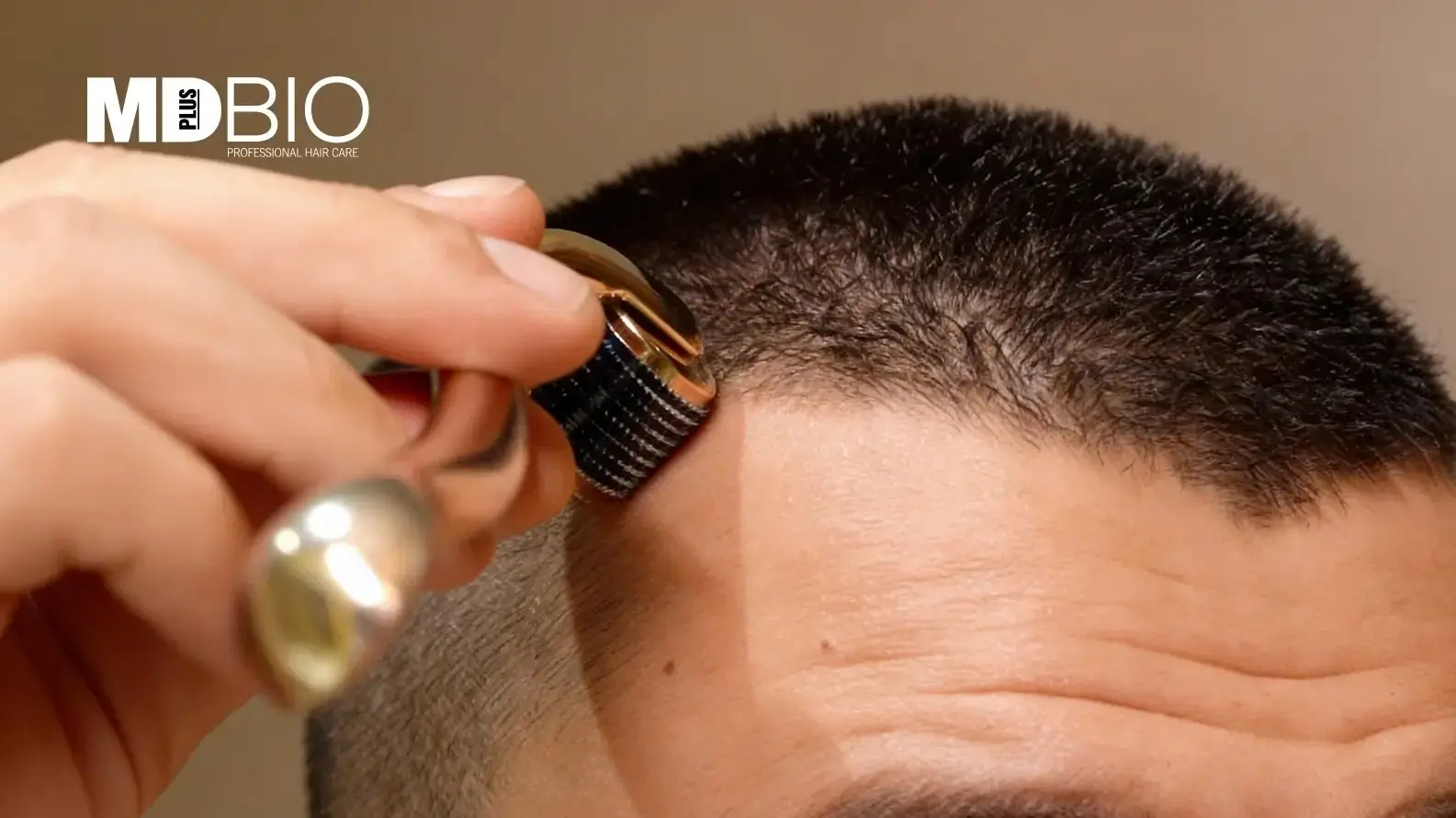
Hair Complex Meso Serum should not be used on fresh grafts or an unhealed scalp. It may be considered later in the recovery process, usually around month 5 or 6, but only after doctor approval.
This is especially important if microneedling or dermaroller use is part of the routine. Microneedling should never be performed too early after a hair transplant because it may irritate the scalp and interfere with healing.
Use meso serum only when:
- The scalp is fully healed
- There are no scabs, wounds, redness, or irritation
- Your transplant doctor approves it
- The transplanted area can tolerate advanced scalp care
- Microneedling is medically suitable for your recovery stage
Essential Products for Each Recovery Phase
|
Timeline |
Main Goal |
Recommended Product Focus |
|
Days 1–3 |
Protect grafts |
Clinic-approved care only |
|
Days 3–14 |
Gentle cleansing |
Shampoo or lotion only if approved |
|
Month 1–2 |
Scalp comfort |
Shampoo, lotion, serum if approved |
|
Month 3–4 |
Manage shedding |
Shampoo, serum, nutrition support |
|
Month 5–6 |
Optimize growth |
Serum, lotion, meso serum if approved |
|
Month 6+ |
Maintain results |
Full long-term care routine |
Common Recovery Mistakes to Avoid
- Picking Scabs
Scabs should fall naturally. Picking them can irritate the scalp and may affect healing.
- Using Products Too Early
Even gentle products should not be used on fresh grafts unless your clinic approves them.
- Washing Too Aggressively
Avoid rubbing, scratching, hot water, and strong shower pressure.
- Panicking During Shedding
Temporary shedding is common after a hair transplant. It does not usually mean the transplant has failed.
- Starting Microneedling Too Soon
Dermaroller or microneedling treatments should only begin when the scalp is fully healed and your doctor confirms it is safe.
- Ignoring Sun Protection
Direct sun exposure can irritate healing skin. Protect the scalp according to your clinic’s instructions.
- Being Inconsistent
Hair transplant recovery takes months. A simple, consistent routine is better than changing products too often.