Hair Transplant Recovery Guide: Timeline, Care & Products
Your hair transplant is complete — and your journey toward stronger, fuller hair has officially begun. What you do after surgery matters: recovery is an active healing process, and consistent aftercare helps protect grafts, support the scalp barrier, and create the best environment for regrowth.
At MD Plus Bio, we view post-operative care as a critical extension of the procedure. This guide walks you through each recovery stage, the most common mistakes to avoid, and the targeted products that can support healing and long-term results.
Important: Always follow your surgeon’s instructions first. Recovery protocols can vary by technique (DHI/FUE), graft count, and individual healing.
In this guide, you’ll learn:
- What to expect at every stage of hair transplant recovery
- How to care for your scalp during healing
- Which products can support the scalp environment and hair regrowth

Hair Transplant Recovery Timeline (Overview)
Recovery Phase | Timeframe | What Happens | Main Focus |
Immediate Healing | Day 1–7 | Redness, swelling, scab formation | Graft protection + gentle cleansing |
Healing & Shedding | Week 2–4 | Scabs fall; temporary shedding may begin | Consistency + scalp calming |
Early Regrowth | Month 1–3 | Follicles activate; fine hairs may appear | Routine, circulation, nutrition |
Visible Growth | Month 4–6 | Density and thickness improve gradually | Maintenance + patience |
Final Results | Month 9–12+ | Growth matures; texture normalizes | Long-term scalp care |
Day 1–7: Immediate Post-Transplant Care
The first week is the most delicate stage. Grafts are still settling, the scalp is repairing its barrier, and small mistakes (rubbing, scratching, harsh products) can interfere with healing.
What you’ll likely experience
- Redness, swelling, or mild soreness (donor and recipient areas)
- Tiny scabs forming around graft sites
- Itching or tightness as healing begins
- Sleep sensitivity and mild discomfort during washing
This is normal — and temporary.
Care goals for the first week
- Protect grafts from friction, trauma, and contamination
- Cleanse gently without disturbing follicles
- Support the scalp barrier and comfort
- Reduce swelling and irritation
Recommended MD Plus Bio products (Days 1–10)
Product | Purpose | When to Use |
Repair Foam | Helps soften scabs and soothe discomfort | Days 1–10 |
Repair Shampoo | Gentle cleansing + barrier-friendly care | From Day 3 onward (or as advised) |
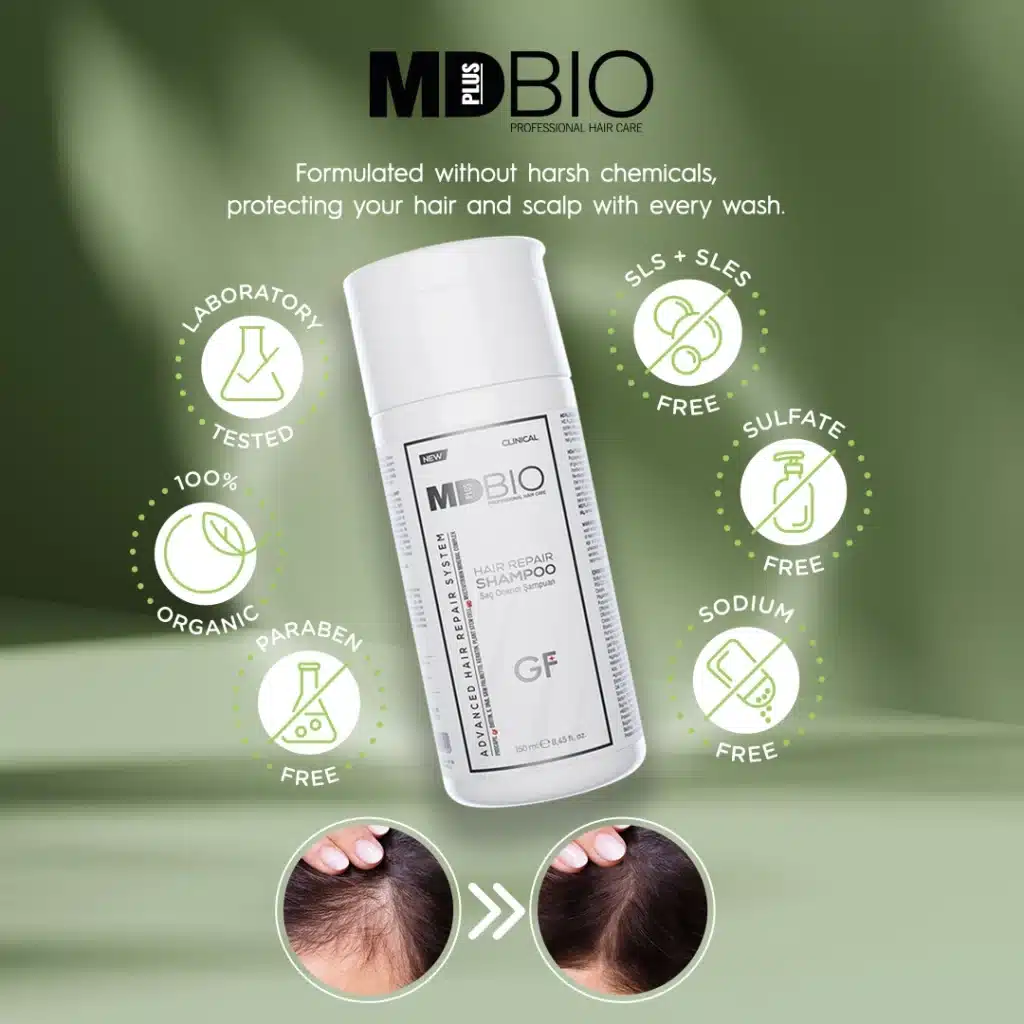
Formulated without SLS, parabens, artificial colorants, and harsh preservatives.
Best practices
- Start washing only when your clinic allows (often Day 2–3)
- Pat dry — never rub
- Sleep with your head elevated to help swelling
- Avoid sun exposure, sweating, and tight headwear
- Let scabs fall naturally (don’t pick)
Week 2–4: Healing and Shedding Phase
This is often the most confusing stage. Scabs usually fall off, and temporary shedding can begin. Many people assume they are “losing grafts,” but in most cases the follicles remain intact beneath the skin.
What you may notice
- Scabs shedding by the end of Week 2 (varies)
- Mild redness lingering in some areas
- Temporary shedding (“shock loss”)
- Itchiness as the skin renews
Shedding is common and expected — it’s part of the reset phase.
What to focus on
- Consistency with a gentle routine
- Scalp comfort and barrier support
- Nutrient support for follicles
- Patience while growth develops beneath the surface
Recommended MD Plus Bio products (Week 2 onward)
Product | Key Benefits | Start Time |
Repair Serum | Supports scalp comfort and the hair cycle during shedding-prone phases | From Week 2 |
Hair Multivitamin Tablets | Internal support for hair + scalp nutrition | From Day 1 |
Month 1–3: Supporting New Hair Growth
Healing transitions into regrowth. Hair may still look uneven — that’s normal. Follicles often wake up at different speeds, so early regrowth can be patchy.
What you may notice
- Fine, soft early hairs appearing
- Uneven growth patterns
- Temporary texture changes
- Minimal remaining redness or itchiness
What to focus on
- Consistent topical and internal support
- Healthy habits (sleep, nutrition, stress control)
- Gentle scalp care to maintain a healthy environment
Recommended MD Plus Bio products (Month 1–3)
Product | Purpose | Frequency |
Repair Serum | Supports growth cycles and scalp environment | Twice daily |
Hair Multivitamin Tablets | Reinforces nutrition for new growth | Daily |
Hair Complex Meso Serum + Dermaroller | Helps support circulation + absorption (once fully healed) | 1–2×/week from Month 3 |
Dermaroller note: Start only once your scalp is fully healed and your clinic approves (often around Month 3).
Month 4–6: Visible Growth
This is when many people start to feel confident again. Hair becomes more visible, thicker, and easier to style — but results are still developing.
What you may notice
- More consistent growth
- Gradual improvement in thickness and density
- Texture changes as hair strengthens
What to focus on
- Stay consistent (don’t switch routines too often)
- Protect your scalp from sun and irritation
- Keep expectations realistic: density continues improving beyond Month 6
Month 9–12+: Final Results & Maturation
By this stage, most patients see a mature look — but refinement can continue beyond 12 months depending on the case.
What you may notice
- Stronger, more stable density
- Hair shafts thickening over time
- Texture normalizing and blending naturally
What to focus on
- Long-term scalp care and maintenance
- Supporting native hair health to protect overall density
- Continuing a sustainable routine you can keep for years
Quick Rules: “When Can I…?” (General Guidance)
These vary by clinic — always follow your surgeon — but typically:
- Touch or scratch scabs: Avoid. Let them fall naturally.
- Exercise/sweat: Often avoided during the first 1–2 weeks.
- Sun exposure: Avoid early; protect scalp consistently afterward.
- Tight hats/helmets: Avoid in early healing; use only if cleared.
- Swimming/sauna: Usually postponed until healing is complete.
- Dermarolling: Often from Month 3+ (once fully healed).
Common Mistakes to Avoid After a Hair Transplant
- Picking scabs (can disrupt healing and cause irritation)
- Using harsh shampoos not designed for healing scalps
- Skipping your routine and losing consistency
- Expecting immediate results and changing products too early
- Ignoring internal health (sleep, nutrition, stress)
- Avoiding professional advice when concerns arise
Recovery is a marathon — and consistency is your biggest advantage.
Essential Products for Hair Transplant Recovery
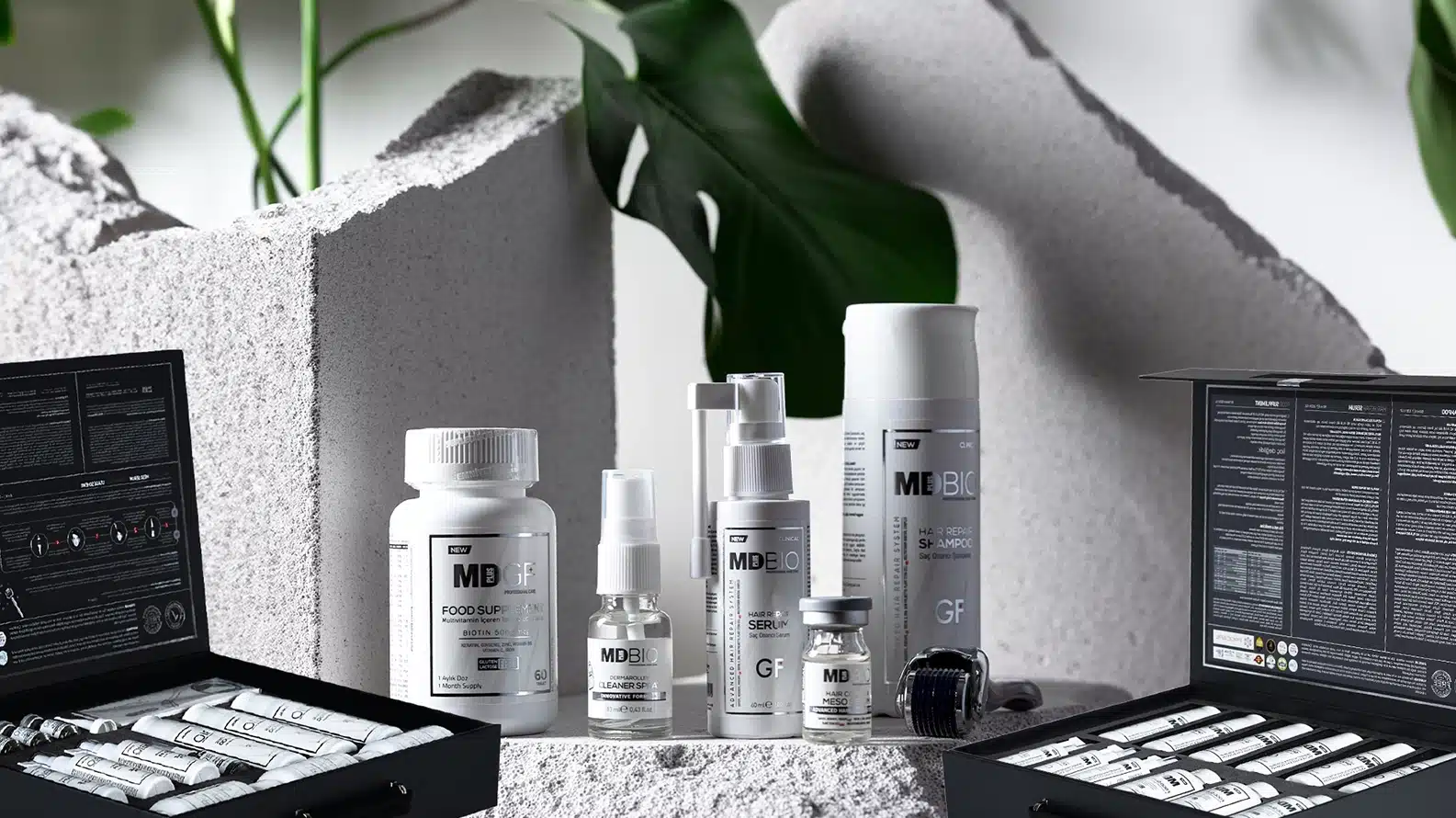
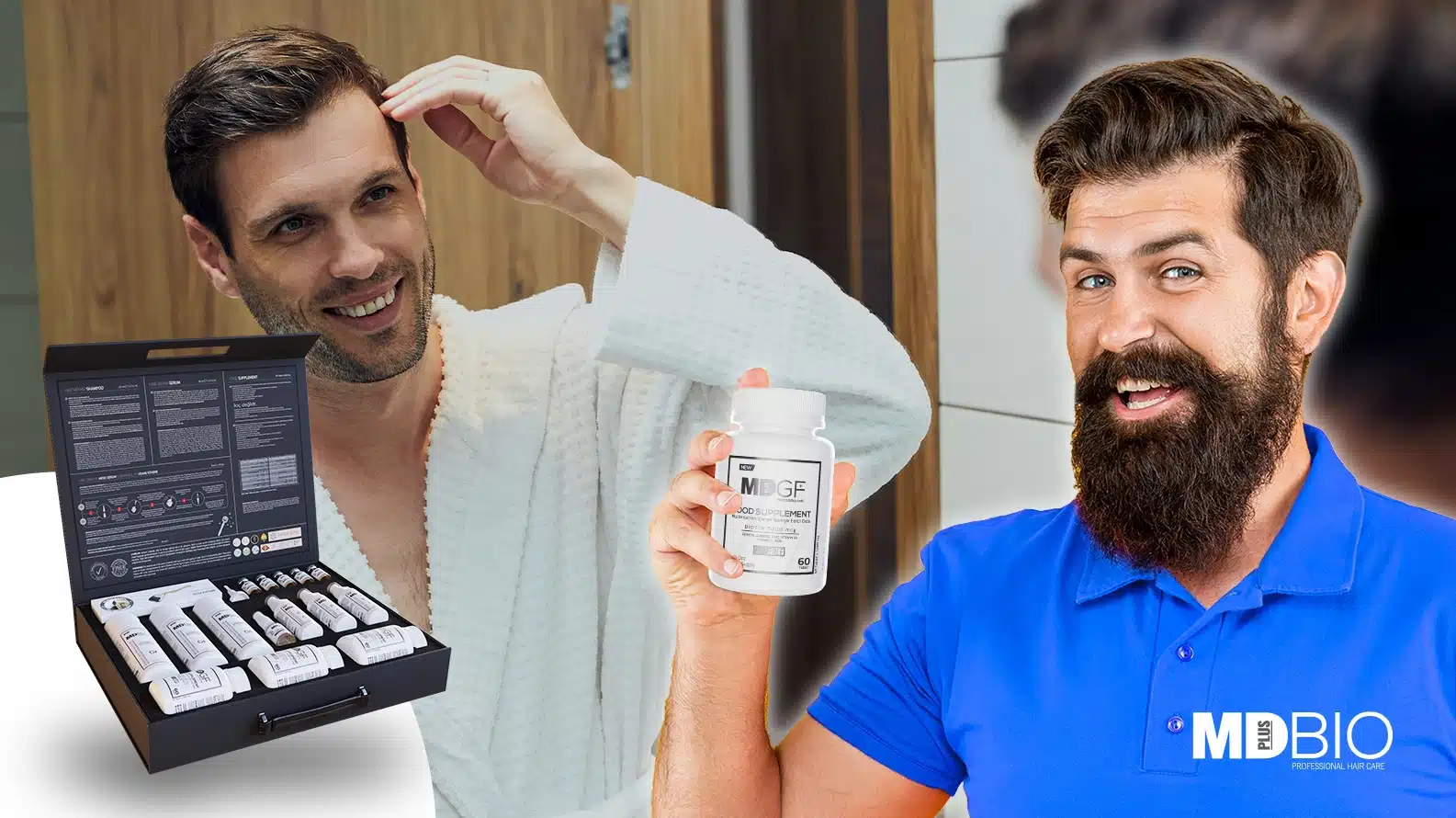
Recovery-friendly formulas are different from normal cosmetic haircare. MD Plus Bio Clinical Series products are designed to support scalp balance, comfort, and a healthy regrowth environment.
The right products can make all the difference during hair transplant recovery.
From soothing inflammation to supporting follicle growth and preventing hair loss, each phase of healing needs targeted care — and not just any shampoo will do.
That’s why MD Plus Bio Clinical Series was developed: a complete, science-backed line designed to protect grafts, restore scalp balance, and fuel new hair growth from root to tip.
Here’s how each product supports your recovery journey:
Repair Foam
Gentle Cleansing | Scalp Soothing | Scab Removal
A gas-free, non-irritating foam cleanser designed for the sensitive first days after surgery.
It helps dissolve scabs, reduces itchiness, and keeps the scalp clean without disrupting delicate grafts.
- Ideal for: Days 1–10
- Use: Apply before shampooing for best results
Repair Shampoo
Cleansing | Barrier Support | Anti-Irritation
Formulated specifically for post-transplant scalps, this sulfate-free shampoo deeply cleans without stripping or stinging.
With growth factors and plant stem cells, it nourishes and heals from the first wash onward.
- Ideal for: Day 3 onward (once washing is approved)
- Use: Safe for daily use

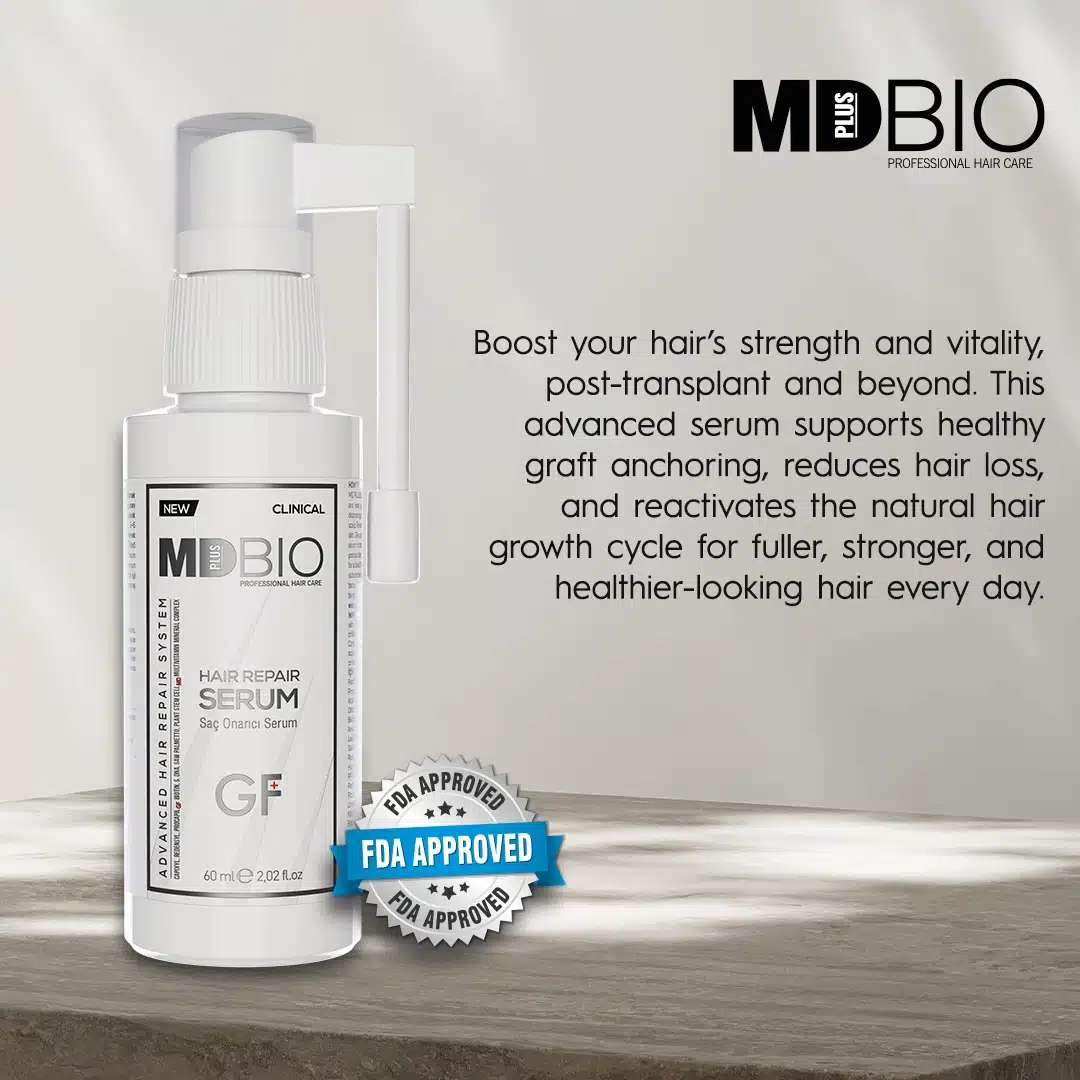
Repair Serum
Follicle Activation | Growth Factor Support | Anti-Shedding
This high-potency serum is your grafts’ best friend. Enriched with Capixyl, Redensyl, Procapil,
and natural DHT blockers like Saw Palmetto, it strengthens roots, reduces shedding,
and reactivates growth cycles.
- Ideal for: Week 2 onward
- Use: Twice daily for optimal results

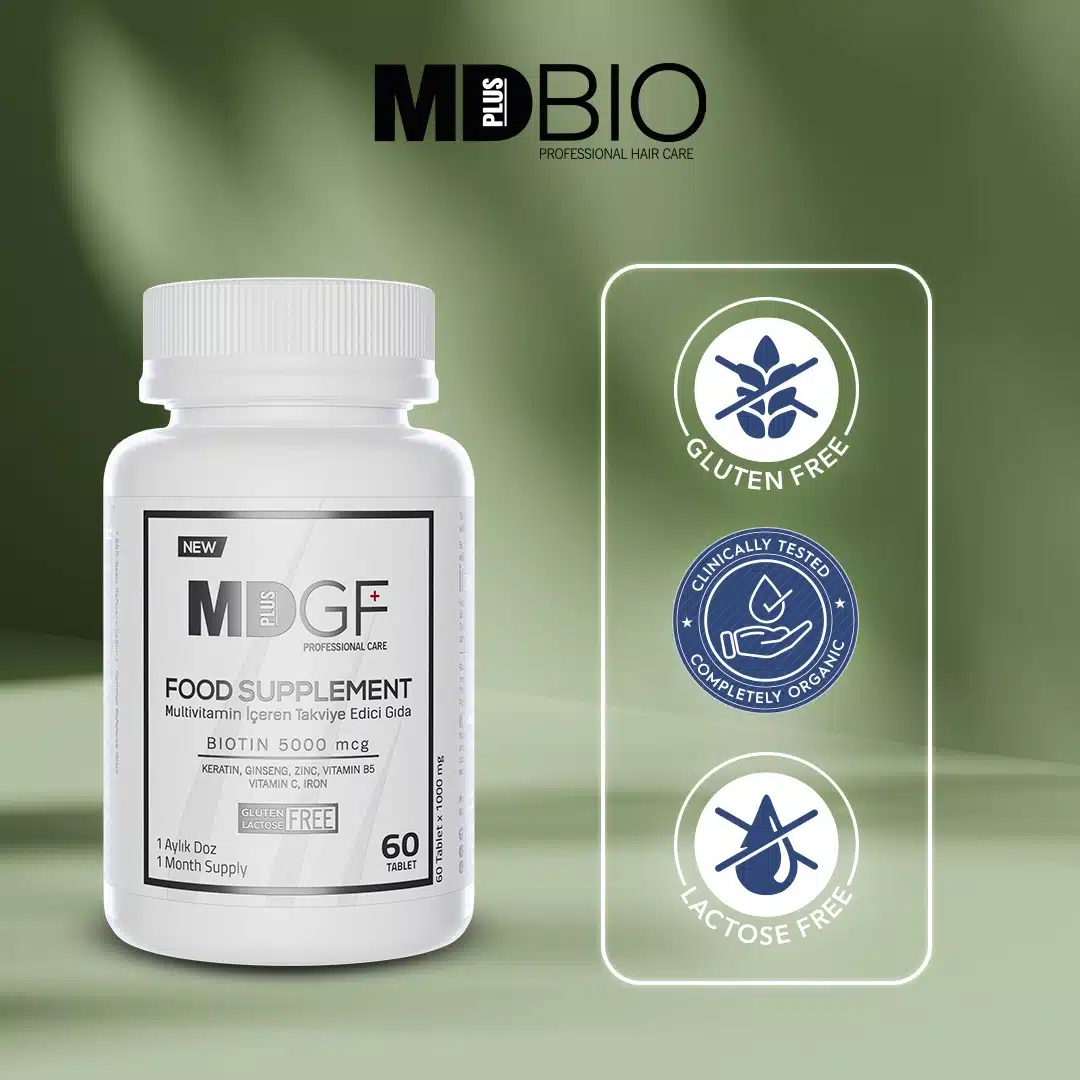
Hair Multivitamin Tablets
Internal Nutrition | Root Strength | Hormonal Balance
Hair health starts from within. These daily supplements deliver Biotin, Keratin, Zinc, Iron,
Ginseng, and more to support the body’s hair growth process — especially during the shedding and regrowth phases.
- Ideal for: All recovery phases
- Dosage: Men: 2× daily | Women: 1× daily

Hair Complex Meso Serum + Dermaroller
Deep Stimulation | Density Boost | Long-Term Growth
Beginning around Month 3, this intensive care duo revives dormant follicles and accelerates visible growth.
Use the dermaroller to increase blood flow and product absorption, then apply the Meso Serum for high-impact regeneration.
- Ideal for: Month 3+
- Use: 1–2× per week
Pro tip: Use a clean, disinfected dermaroller each time to avoid irritation or infection.
FAQs
How long does hair transplant recovery take?
Initial healing often takes 7–10 days. Temporary shedding may occur between Weeks 2–6. Visible regrowth commonly starts around Month 3–4, with maturation continuing through 9–12+ months.
When can I wash my hair after a hair transplant?
Many patients begin gentle washing around Day 2–3, depending on clinic instructions. Use only scalp-friendly products and avoid rubbing.
Is shedding after a hair transplant normal?
Yes. Temporary shedding (“shock loss”) can happen and usually does not mean graft failure.
When does new hair start growing after a hair transplant?
Early growth often appears around Month 3, with noticeable density gains typically between Months 4–6.
What products should I use after a hair transplant?
Use a gentle foam, a sulfate-free barrier-friendly shampoo, a recovery-support serum, and a hair multivitamin designed for post-transplant needs.
When can I use a dermaroller after a hair transplant?
Often around Month 3+, once the scalp is fully healed and your clinic approves.
How can I improve long-term hair transplant results?
Protect the scalp early, stay consistent with aftercare, support internal health, and follow professional guidance for any concerns.
Your recovery routine is an investment in your outcome. With patience, consistency, and scalp-friendly support, you give every graft the best chance to thrive.